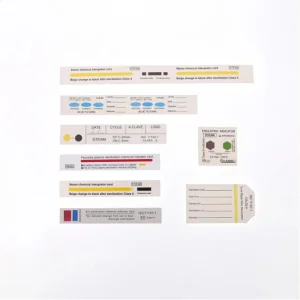
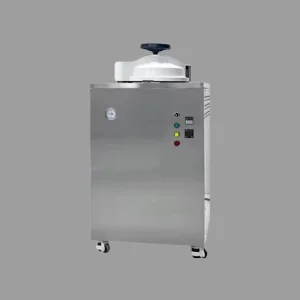
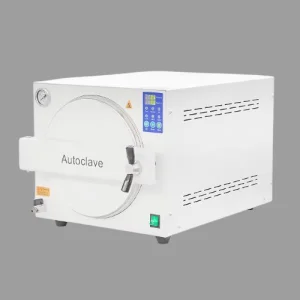
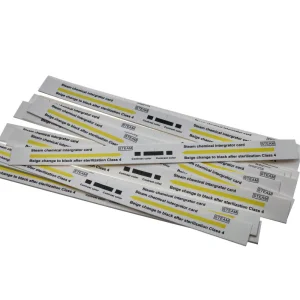
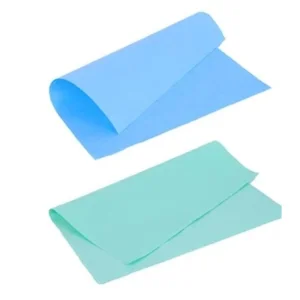
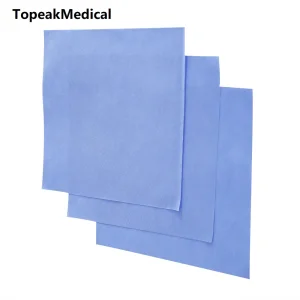
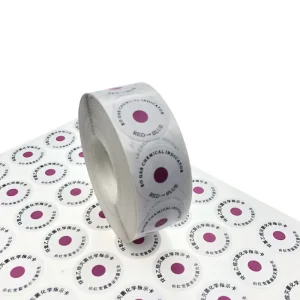
Advanced diagnostic indicators, modular autoclaves, and localized infection prevention solutions tailored for healthcare institutions across Lesotho.
An in-depth analysis of regulatory alignment, supply-chain dynamics, and clinical demands in Southern Africa.
Executive Insight: Lesotho's healthcare framework, guided by the Ministry of Health and supported by initiatives such as Partners In Health (PIH) and the Christian Health Association of Lesotho (CHAL), is actively upgrading its Central Sterile Services Departments (CSSD). Transitioning from basic decontamination processes to verified, internationally recognized sterilization cycles (complying with EN 868 and ISO 11140 series) is critical to combatting hospital-acquired infections (HAIs) in the Southern African Development Community (SADC) region.
Lesotho's geographical situation as a landlocked nation surrounded by South Africa imposes specific logistical constraints and opportunities. Clinical facilities, from Queen 'Mamohato Memorial Hospital in Maseru to remote district clinics in Thaba-Tseka and Quthing, rely heavily on robust infection control systems. The local environment demands sterilization machinery and consumables that can withstand fluctuations in power supply, run efficiently in remote mountainous settings, and require minimal local maintenance.
Due to the lack of domestic heavy manufacturing for medical-grade equipment, Lesotho is almost completely dependent on foreign exporters for CSSD validation consumables, chemical indicators, self-sealing sterilization packaging, and automated autoclave hardware. The main ports of entry, typically via the Port of Durban in South Africa and then transported by land through the Maseru Bridge or Maputsoe border posts, necessitate ruggedized, long-life packaging for all sterile barriers. Exporters must provide products certified under ISO 13485 to satisfy both national procurement standards and international donor guidelines.
Global medical supply networks are increasingly shifting toward centralized, direct-to-manufacturer procurement models to optimize costs and assure quality. For bulk clinical operations, corporate purchasers and NGOs operating in Africa focus on several key pillars:
Hebei ROA Medicare Co., Ltd. resolves these challenges by shipping direct from our advanced manufacturing facilities, eliminating intermediate agent costs, and ensuring that each shipment carries certified batch codes and technical datasheets.
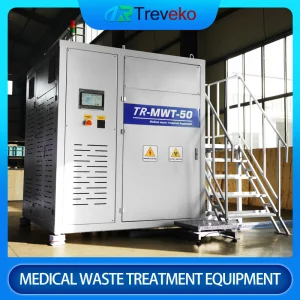
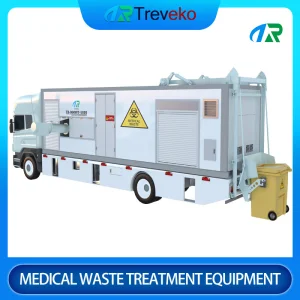
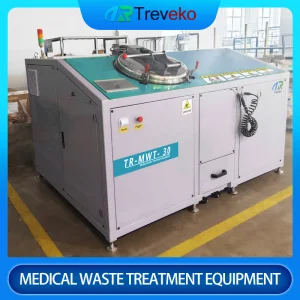
Modern infection control goes beyond clinical pre-sterilization to cover post-procedural waste decontamination. In Lesotho, where traditional open-air incineration of biohazardous waste causes environmental hazards, integrated microwave-steam sterilization technologies present an eco-friendly alternative. These systems shred and sterilize biohazardous waste within a closed chamber, achieving high log-reduction rates (up to Log-6 reduction of Bacillus atrophaeus spores) while reducing waste volume by up to 80% without producing toxic emissions.
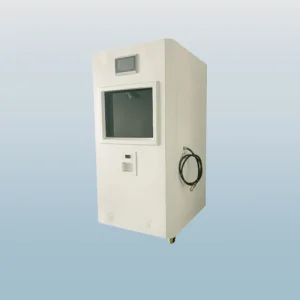
Furthermore, our low-temperature Hydrogen Peroxide Plasma Sterilizers cater to high-value, heat-sensitive micro-surgical instruments, endoscopes, and dental handpieces. Incorporating plasma systems into Maseru's private and public surgical wards prevents damage to optics and electrical components, extending the service life of delicate surgical investments.
Health, Trust & Innovation on a Global Scale
Founded with a strong commitment to the healthcare industry, Hebei ROA Medicare Co., Ltd. has been dedicated to providing high-quality medical and healthcare products to customers worldwide. Over the years, we have consistently upheld the belief that “Health, Trust, and Innovation are the foundation of every family and society.”
Driven by this philosophy, ROA Medicare has grown into a professional and reliable supplier in the global healthcare market, continuously improving product quality, expanding international cooperation, and contributing to better healthcare solutions for people around the world.
The name “ROA Medicare” represents responsibility, professionalism, and care for human health. We believe that healthcare is not only about products, but also about trust, safety, and long-term commitment to customers and patients worldwide.
Our company logo and brand identity reflect our dedication to the medical industry. The combination of blue and green symbolizes professionalism, reliability, health, and vitality. Blue represents safety, precision, and trustworthiness, while green reflects life, healing, sustainability, and hope. Together, they embody our mission to deliver safe and effective medical products that improve quality of life.
“Health First, Quality Foremost, Trust Always.”
We are committed to:
Through continuous innovation and professional service, we aim to meet the evolving demands of the global healthcare industry.
ROA Medicare specializes in a wide range of medical and healthcare products, including:
Our products are exported to Europe, America, the Middle East, Africa, Southeast Asia, and many other international markets. With stable product quality, competitive pricing, and professional service, we have established long-term cooperative relationships with customers worldwide. We strictly follow international quality management standards and continuously improve our manufacturing and inspection systems to ensure product safety and reliability.
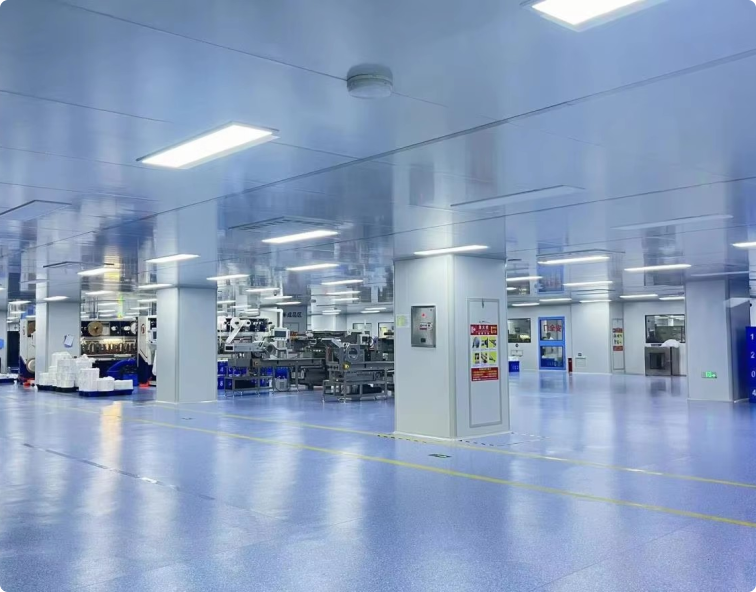
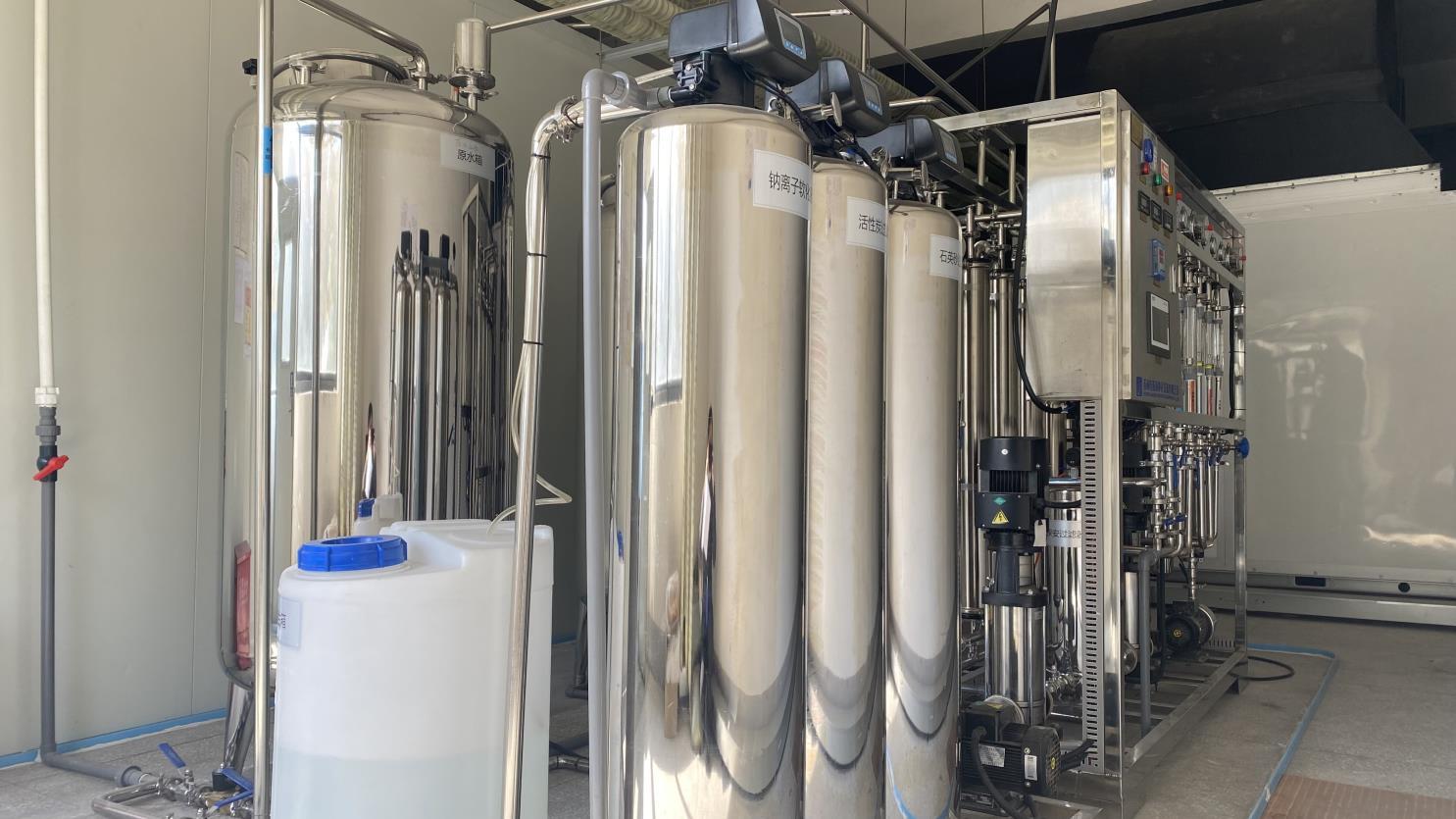
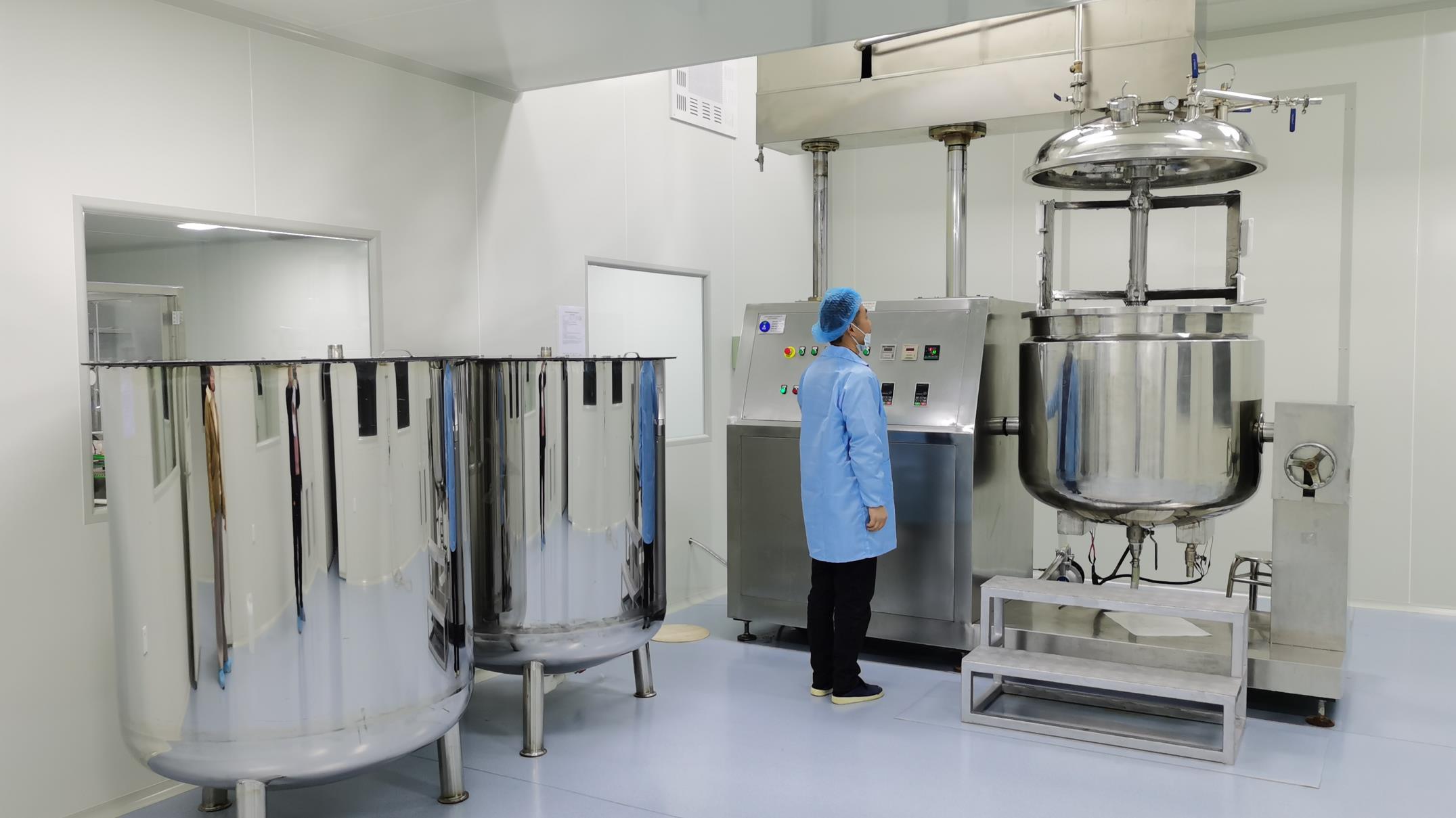
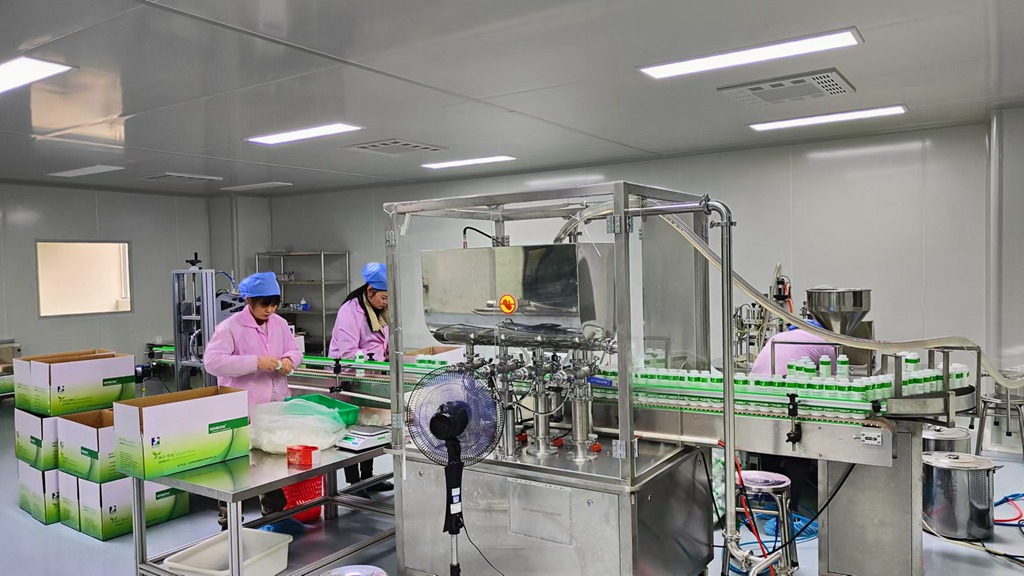
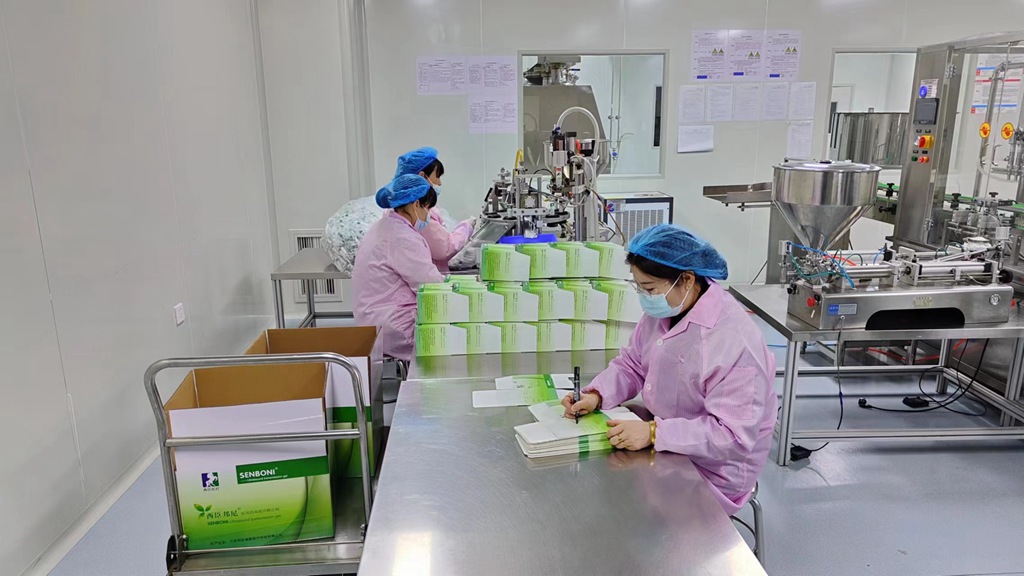
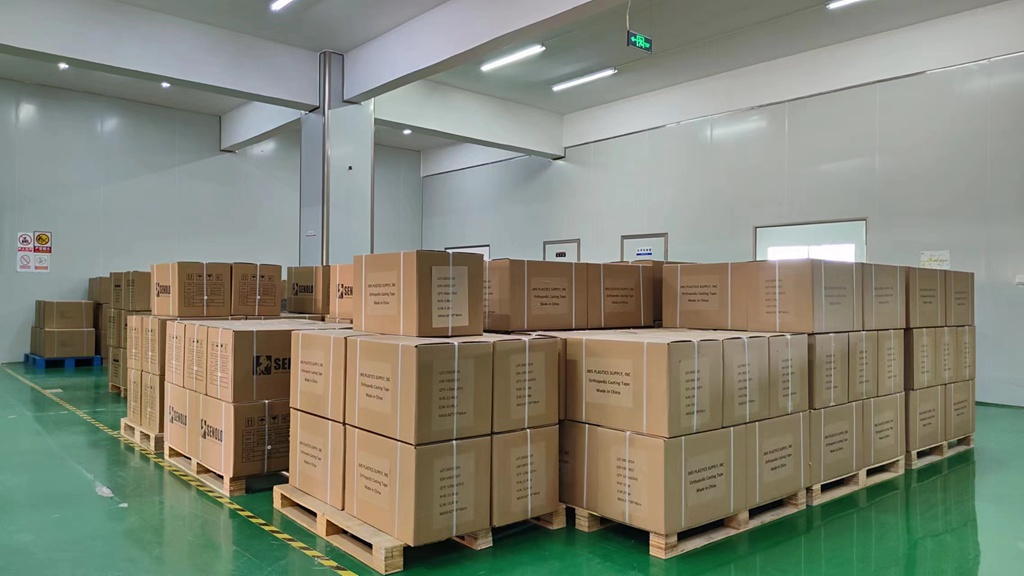
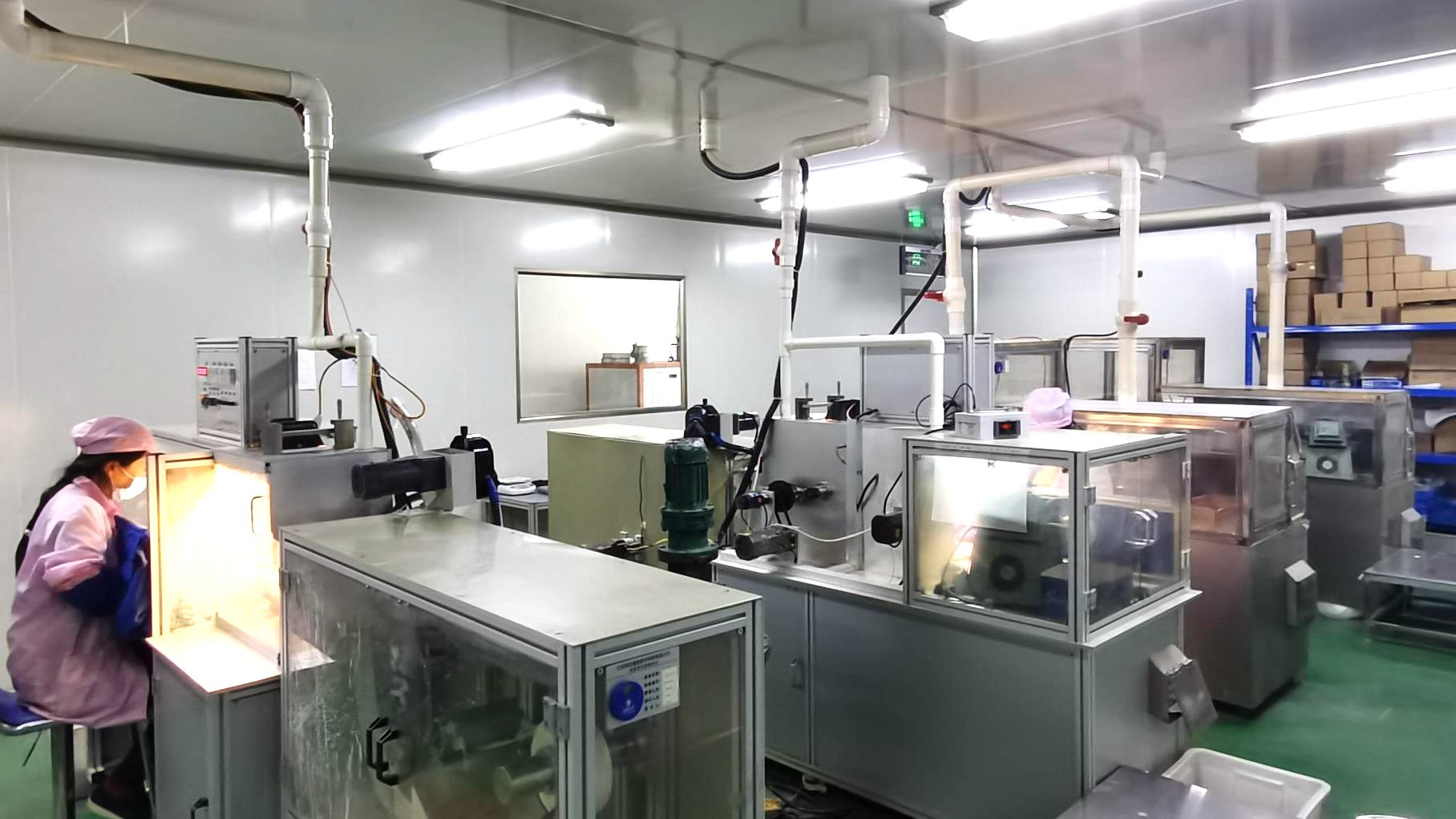
Step inside our state-of-the-art production plant, where we utilize high-precision machinery to ensure clinical safety.
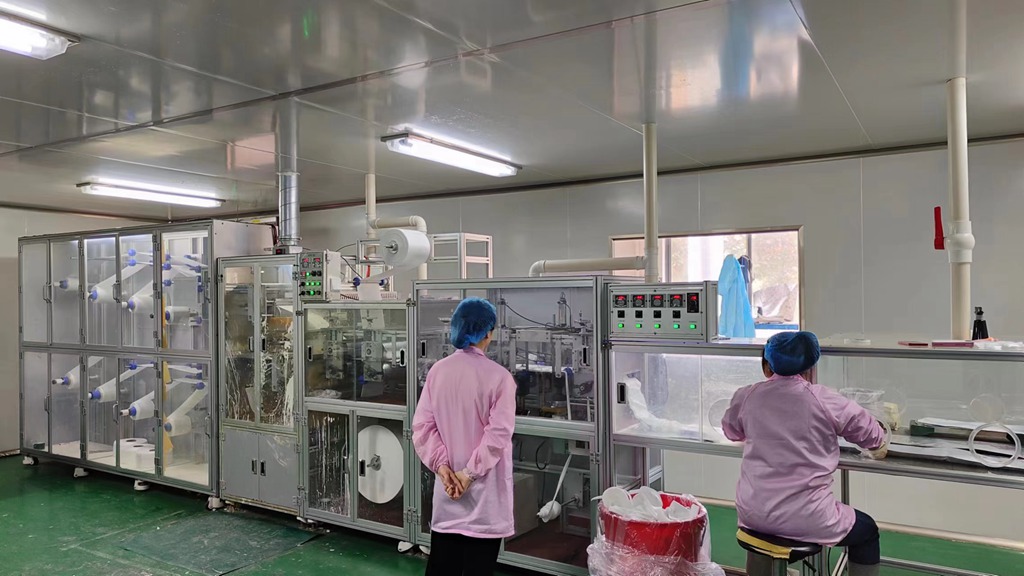
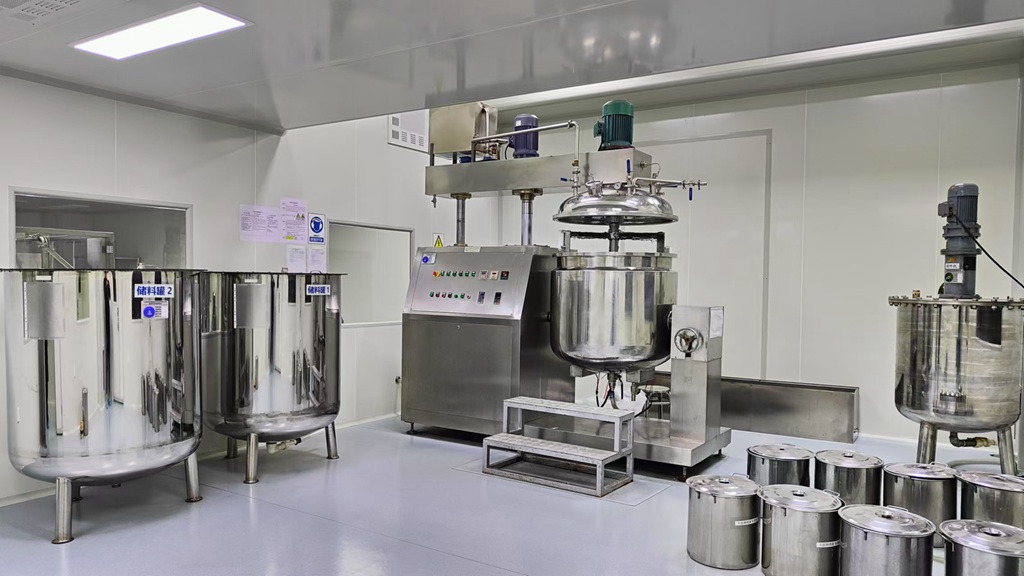
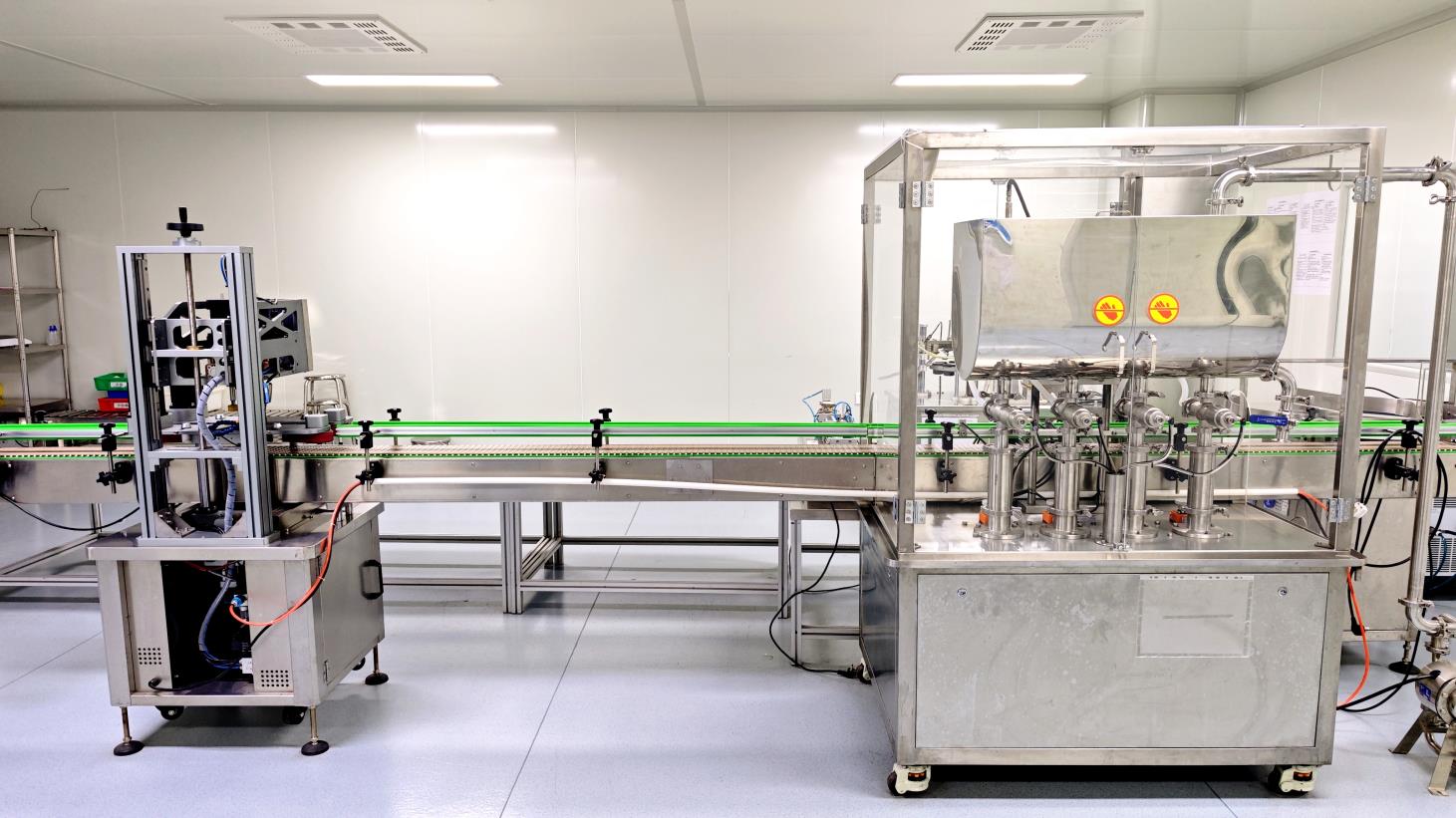
Navigating the transition toward smart, non-toxic, and digitized sterilization workflows in emerging economies.
Technical Roadmap: Over the next decade, infection control systems in the developing world will integrate digital auditing tools, such as RFID-tagged surgical packs and barcode-scannable chemical indicators linked directly to Hospital Information Systems (HIS). This eliminates human error in cycle verification and provides a traceable audit trail for liability management.
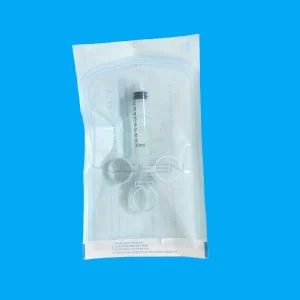
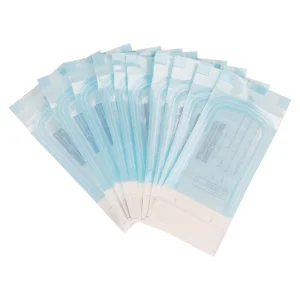
As the healthcare sector is pressured to reduce its environmental impact, the chemical composition of sterilization packaging is changing. ROA Medicare is leading this transition by manufacturing wrapping sheets and sterilization pouches from chlorine-free wood pulp paper and recyclable PP/PE multi-layered laminate films. These materials provide high microbiological barrier resistance (in accordance with ISO 11607 standards) while optimizing clean incineration or recycling pathways at their end-of-life cycle.
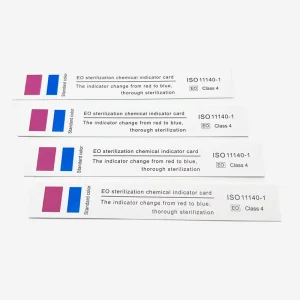
Exporting to Lesotho and neighboring countries like South Africa, Botswana, and Namibia requires strict adherence to international and regional regulatory compliance. The South African Health Products Regulatory Authority (SAHPRA) sets the benchmark for the region, requiring medical imports to meet EN ISO standards. ROA Medicare guarantees that all sterilization indicators (Class 4, 5, and 6), autoclave bags, and plasma sterilizers carry the CE mark and are supported by complete declaration of conformity documentation, minimizing custom delays at Southern African ports.
A comprehensive inventory of indicators, pouches, gas labels, wrap rolls, and specialized machinery.

Essential answers regarding imports, standards conformity, logistics, and machine parameters.
Equip your clinics, laboratories, and regional healthcare centers with top-tier, reliable infection control supplies. Get in touch with our product specialists today for customized pricing and SADC delivery timelines.
 ROA Medicare