Dental bibs look simple, yet their plastic backing solves several practical problems in the operatory. This article explores why do dental bibs have a plastic backing and why that thin layer matters during examinations, cleanings, fillings, and longer procedures. The paper front absorbs saliva, water, and minor splashes. The plastic layer helps stop moisture from reaching a patient’s shirt, skin, or the dental chair.
Dr. John A. Molinari, a recognized dental infection-prevention expert, states, “Barrier protection works only when it is used consistently and correctly.” That principle explains the bib’s everyday value. A backing can create a more dependable moisture barrier when the bib is positioned correctly and replaced when saturated. It also helps keep fluids from soaking through unexpectedly. Small details matter here. A wet collar feels uncomfortable. A damp gown looks careless. A loose bib can expose areas it should protect.
Plastic backing also improves handling. It helps the bib hold its shape, reduces tearing, and keeps absorbed fluids more contained. However, it is not a complete infection-control solution. It does not replace gloves, masks, eye protection, surface disinfection, or proper waste procedures. That point deserves attention.
There is also an environmental trade-off. Plastic may improve performance, but it can complicate disposal and material recovery. Not every bib performs equally well. Thickness, seal quality, absorbency, and fit can vary between products. Understanding these strengths and limits makes the question more useful: why do dental bibs have a plastic backing? The answer involves comfort, moisture control, workflow, and responsible clinical practice.
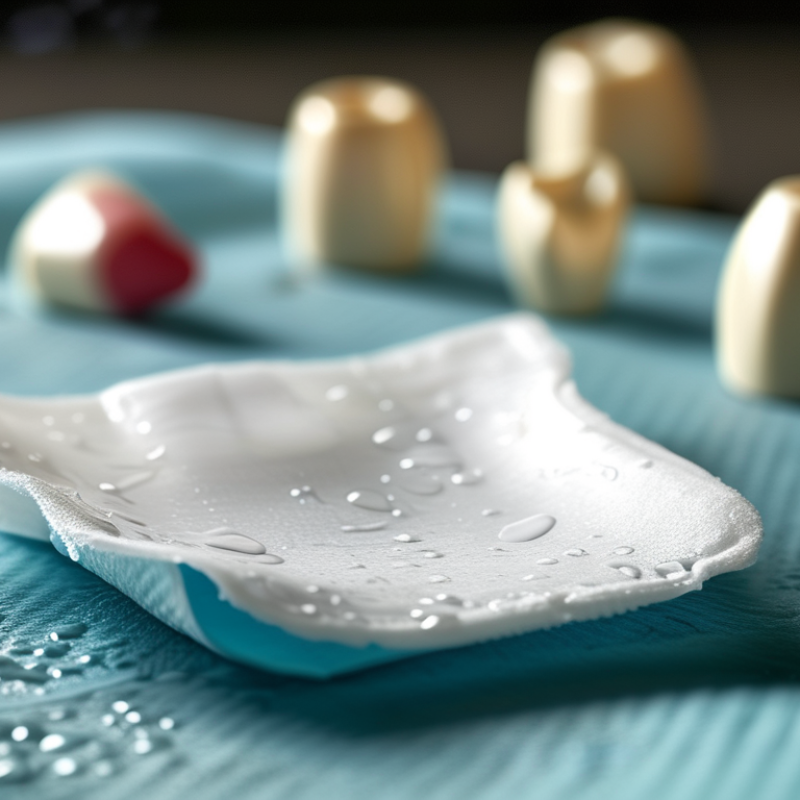
Dental bibs are disposable protective sheets placed across a patient’s chest during dental treatment. They catch water, saliva, polishing paste, and small particles that may fall from the mouth. Most bibs contain an absorbent paper layer and a thin plastic backing. The paper feels soft against clothing, while the plastic layer helps slow liquid movement.
The backing works through simple barrier protection. When rinsing water reaches the bib, the absorbent surface holds much of it in place. The plastic layer reduces soaking through to shirts, uniforms, or skin. It also helps keep moisture from spreading across the patient’s chest.
This supports cleaner procedures and easier linen management. However, plastic backing does not make a bib completely waterproof. Heavy spray, a poorly positioned edge, or a saturated bib can still allow leakage.
Dental professionals usually select bibs according to absorbency, size, flexibility, and the planned procedure. A securely fastened bib should cover the upper chest without pressing against the neck. During longer treatments, staff may need to replace it when it becomes wet or folded. That detail is easy to overlook. In practice, comfort and positioning matter as much as the material itself. Some patients also dislike the rustling sound of plastic, so a softer backing may improve their experience. The design is useful, but not perfect. Careful handling still determines how well the bib protects clothing and maintains a clean treatment area.
: The backing slows fluid seepage. It helps protect clothing and skin from water, saliva, and polishing paste.
No. Folds, movement, tears, or heavy saturation can let fluids pass through.
Keep it flat across the torso. Fasten it securely without tightening the neck.
Replace it between patients and whenever it becomes soaked or contaminated. A saturated bib offers less protection.
No. It provides one barrier only. Gloves, masks, eye protection, suction, and surface cleaning remain important.
Fillings, polishing, and ultrasonic scaling can produce moisture quickly. The backing helps reduce strike-through during these treatments.
Soft edges may reduce neck irritation. Flexible materials support movement, while textured surfaces can reduce slipping.
They may feel warm, crinkle, or reduce breathability. Loose placement can expose collars or clothing.
Not necessarily. The best bib fits the procedure, patient size, treatment length, and movement needs.
Bonded plastic and paper layers can make recycling difficult. Choosing a smaller suitable bib may reduce waste.
Reuse requires reliable cleaning and laundering. Poor processing could create another safety problem.
Avoid touching the contaminated outer surface. Keep used bibs away from unused supplies and follow local waste procedures.
Dental bibs are protective barriers placed over a patient’s clothing and upper body during dental treatment. Their plastic backing helps prevent saliva, water, blood, cleaning solutions, and other fluids from soaking through to the skin or clothing. So, why do dental bibs have a plastic backing? The main reasons are to improve moisture resistance, reduce the spread of contamination, and support a cleaner, more controlled treatment environment.
Plastic-backed bibs also improve comfort and clinical efficiency by keeping moisture away from the patient while helping dental professionals work with fewer interruptions caused by spills or replacement. Different material designs can suit routine examinations, procedures involving sprays, and patients with varying comfort or sensitivity needs. However, safety and environmental factors remain important. Bibs should be soft on the front, secure without restricting movement, and disposed of responsibly after use. Choosing suitable materials and following proper waste-handling practices can balance hygiene, patient protection, convenience, and environmental awareness.

 ROA Medicare