7 Tips How to Choose the Right Adult Diaper Size?

Time:2026-09-23 Author:Madeline
0%

Choosing the correct adult diaper size is not a minor shopping detail. It affects comfort, leakage control, skin protection, and confidence during daily activities. The World Health Organization’s World Report on Ageing and Health highlights the growing need for supportive products as populations age. The United Nations World Social Report 2023 also notes that the global population aged 65 and older is expanding rapidly. More users need reliable protection, but one size cannot serve every body.

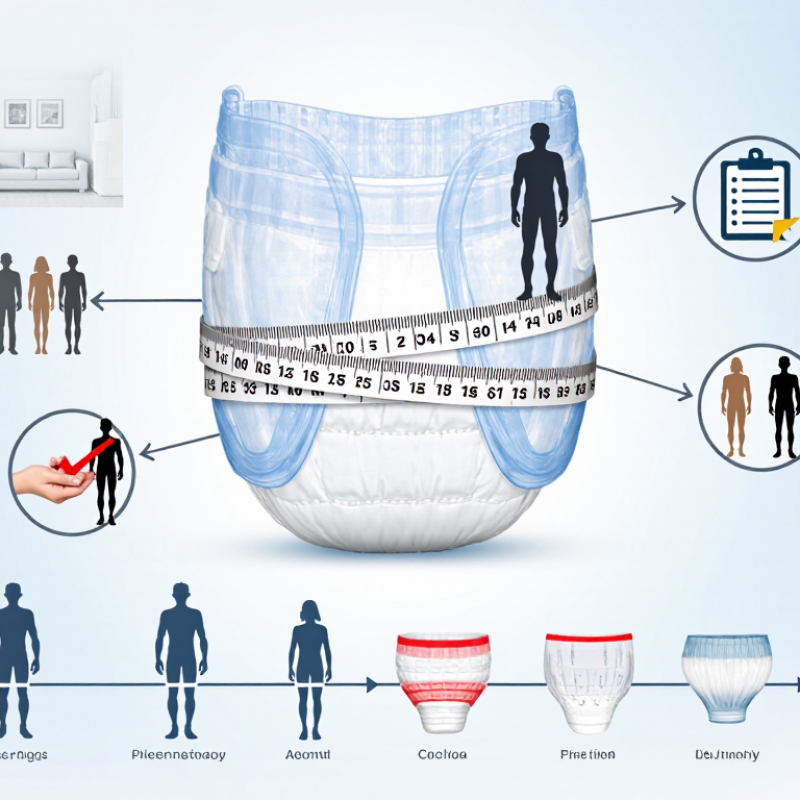
This guide explains how to choose the right adult diaper size using practical measurements and professional guidance. The International Continence Society recommends individualized assessment for continence care, rather than relying only on weight or product labels. Measure the waist and hips with a soft tape, then compare both numbers with the manufacturer’s chart. Check the leg openings, too. They should fit securely without leaving deep red marks. A diaper that gaps near the thighs may leak when sitting or walking. One that feels painfully tight can cause rubbing and moisture buildup.

Small details matter. Try the product while standing, sitting, and moving. Watch for sagging after several hours. Keep a simple note about leakage, comfort, and skin changes. That evidence is more useful than guesswork. Still, sizing charts are not perfect. My initial assumption might be that a larger diaper offers better protection, but excess space can create leaks. Research and product reports, including Grand View Research’s Adult Incontinence Products Market Analysis, show broad product variety, not identical fit standards. If irritation or repeated leakage continues, consult a qualified healthcare professional.
7 Tips How to Choose the Right Adult Diaper Size?

Identify the Wearer’s Waist and Hip Measurements

How to Choose the Right Adult Diaper Size?

Tip 1: Measure the wearer’s waist and hips before choosing a size. Use a soft tape, not a ruler. Measure the waist at its narrowest point, then measure the hips at their fullest point. Keep the tape level and snug. Do not pull it tightly. The larger measurement usually deserves more attention. However, size charts differ between products. Check both measurements against the specific chart. The National Institute of Diabetes and Digestive and Kidney Diseases notes that urinary leakage affects millions of adults, so fit should support dignity, movement, and skin comfort.

Tip 2: Measure over light underwear, not thick clothing. Record the numbers in centimeters and inches. This prevents confusion during online purchases or caregiving. A useful check is the standing and sitting test. The waistband should remain flat while sitting. Leg openings should touch the skin without leaving deep red marks. I once measured over trousers and selected a size too large. That mistake caused gaps and leakage.

Tip 3: Consider body shape, not waist size alone. A wearer with a narrow waist and fuller hips may need a different cut or adjustment. The CDC’s National Health and Nutrition Examination Survey has documented urinary incontinence across adult age groups. Therefore, sizing is not only about absorbency. Recheck measurements after weight change, swelling, or reduced mobility. Measure again after several weeks. Bodies are not perfectly predictable.

Compare Measurements with the Brand’s Size Chart

Choosing the right adult diaper size starts with accurate measurements, not guesswork. Use a soft tape measure around the widest part of the hips and the natural waist. Keep the tape snug, but do not pull it tightly. Write down both numbers.

Then compare your measurements with the product’s size chart. Do not rely only on labels such as medium or large. Sizing can vary between manufacturers, and one person’s “large” may fit like another’s “extra large.” Check whether the chart uses waist, hip, or both measurements. If your waist and hip fall into different ranges, follow the larger measurement and test the fit carefully.

Fit should feel secure around the legs and waist without leaving deep red marks. The back should cover comfortably when sitting, standing, and lying down. A loose gap near the thighs may cause leakage, while excessive tightness can restrict movement. I once assumed a wider brief would provide better protection, but it shifted during walking. That was a useful mistake. Size affects stability, not just comfort.

Take measurements again after weight changes or reduced mobility. Consider the wearer’s posture and daily routine. A person who sits for long periods may need a different fit than someone who walks frequently. If possible, try one product before buying a large quantity. Small details matter.

Consider Absorbency Needs and Diaper Design

Choosing the right adult diaper size involves more than matching your waist measurement. Absorbency needs and diaper design can change how a product fits throughout the day. Measure your waist and hips, then follow the product’s size chart. Use the larger measurement when they differ. A snug fit matters, but tight elastic can leave red marks.

Think about when and where the diaper will be used. Light absorbency may suit short errands or daytime changes. Higher absorbency can help during long journeys or overnight use. It should feel secure, not bulky. Check the core, leg cuffs, and back panel. Double cuffs can reduce gaps around the legs. A wide waistband may feel steadier while sitting. I once chose a larger size for comfort, but the loose leg area caused leakage. That mistake changed how I judge fit.

Design also affects daily convenience. Tab-style diapers allow adjustment while lying down or standing. Pull-on designs may feel more like underwear and work well for mobile users. Refastenable tabs are useful when fit needs checking later. Look for breathable materials if warmth or moisture bothers your skin. A wetness indicator can help caregivers notice changes sooner. Still, no feature works perfectly for every body shape. Try a small quantity before buying in bulk. If leakage, pain, or persistent skin irritation continues, review the fit and seek advice from a qualified healthcare professional.

Check Fit, Comfort, and Leakage Protection

7 Tips How to Choose the Right Adult Diaper Size

Tip 1: Measure your waist and hips. Use the larger measurement when the two sizes differ. Tip 2: Check the product’s size chart carefully. Sizes vary between manufacturers, so guessing can cause leakage. A snug fit should feel secure, not restrictive. You should move, sit, and bend without pressure around your abdomen.

Tip 3: Inspect the leg gathers. They should rest gently against your skin without leaving deep marks. Tip 4: Test the diaper while standing and sitting. Gaps may appear only when your body changes position. I once assumed a tighter diaper offered better protection, but it caused discomfort and still leaked at the legs. That experience was a useful correction. Comfort matters.

Tip 5: Match absorbency to your routine, not only your body size. Daytime use may need less capacity than overnight use. Tip 6: Check for dampness after wearing it for a reasonable period. Wet skin, redness, or frequent leaks suggest a poor fit or unsuitable absorbency. Tip 7: Recheck the fit after weight or mobility changes. A person using a wheelchair may need extra attention around the seated waist and back. Pull the material flat. Avoid folding the edges inward. If leakage continues despite careful fitting, a healthcare professional or continence specialist can help identify skin, bladder, or mobility concerns.

7 Tips How to Choose the Right Adult Diaper Size? - Check Fit, Comfort, and Leakage Protection

Use waist and hip measurements together with the product's own size chart. The ranges below are general starting points, not universal standards, because adult diaper sizing differs between manufacturers and product styles.

Tip What to Check Practical Guidance Signs of the Right Fit What to Adjust
1 Measure the waist and hips Measure the waist at its narrowest point and the hips at their fullest point while standing naturally. Record both measurements in centimetres or inches. The size chart covers both measurements without forcing the product to stretch excessively. Choose the size recommended by the product chart; do not rely on weight alone.
2 Use size ranges as a starting point General starting ranges may overlap:
Small: approximately 70–90 cm waist
Medium: approximately 80–110 cm waist
Large: approximately 100–130 cm waist
Extra Large: approximately 120–160 cm waist
The selected size fits within the manufacturer's stated waist and hip range. When between sizes, compare hip fit, leg opening fit, and fastening position before choosing.
3 Check the waist fit The waistband should sit securely against the body without digging into the skin or leaving a large gap. You can slide one or two fingers under the waistband, but the product does not move significantly during walking or sitting. Loose gaps suggest a smaller size or better repositioning; deep marks suggest a larger size or a different cut.
4 Inspect the leg cuffs Run a finger around each leg cuff and ensure the elastic gathers are pulled outward rather than tucked inside. The cuffs touch the skin evenly and do not pinch, fold, or leave visible gaps. Reposition the cuffs first. If gaps remain, try a different size or product shape.
5 Test comfort and mobility Wear the product while standing, sitting, walking, and bending. A correct fit should allow normal movement. No bunching between the legs, excessive sagging, rubbing, or restriction around the hips and thighs. Try a different cut or size if discomfort continues, even when the measurements appear correct.
6 Match absorbency to usage Size controls fit, not absorbency. Choose absorbency according to urine volume, wear time, mobility, and whether the product is used during the day or overnight. The product remains comfortable and does not become saturated before the planned change time. Frequent wetness or saturation may require higher absorbency or more frequent changes, not automatically a larger size.
7 Evaluate leakage protection Check for leaks after several hours and after changes in position. Inspect the back, sides, leg openings, and clothing. Skin and clothing remain dry, and there are no repeated leaks during normal use. Check fit and cuff placement first. Persistent leaks may indicate insufficient absorbency or an unsuitable product design.
Important: If skin redness, pain, swelling, or persistent moisture develops, change the product promptly and seek professional medical advice when needed. Always follow the specific sizing, wearing, and changing instructions supplied with the product.

Reassess the Size and Adjust as Needed

Reassess the size whenever the wearer’s body, routine, or protection needs change. The National Association for Continence reports that more than 25 million Americans experience bladder leakage. That number includes people with different body shapes, mobility levels, and care routines. A size label cannot reflect every body.

Check the waist and leg areas after standing, sitting, and walking. Red marks, loose gaps, side leakage, or frequent shifting suggest a poor fit. A diaper that feels tight may also cause discomfort during sleep. Tip: Measure again every few weeks. Use the fullest waist or hip measurement, following the product guide. Do not rely only on weight ranges. The right size should sit firmly without pinching.

Tip: Reassess after changes in weight, swelling, medication, or daily activity. The International Consultation on Incontinence explains that leakage patterns vary widely between individuals. A person may need more absorbency at night but a closer fit during daytime movement. This is where practical observation matters. Keep brief notes for three days: time of changes, leakage, comfort, and skin condition. Then adjust one factor at a time. Maybe the size is wrong. Maybe the absorbency is. That distinction is easy to miss. If redness, pain, or persistent leakage continues, seek advice from a qualified healthcare professional.

7 Tips: How to Choose the Right Adult Diaper Size?

Reassess the fit regularly, especially after changes in waist or hip measurements, weight, mobility, or leakage patterns. The chart shows general adult diaper sizing reference points based on typical waist measurements; always confirm the size guide for the product being used.

How to use this chart: Measure around the widest part of the waist and hips, then compare both measurements with the product’s size guide. If the diaper gaps, leaks, or leaves deep marks, reassess the size and adjust as needed.

FAQS

How should waist and hip measurements be taken?

Use a soft measuring tape. Measure the narrowest waist point and fullest hip point. Keep the tape level and snug. Do not pull tightly. Measure over light underwear, not trousers.

Which measurement matters more when waist and hips suggest different sizes?

Compare both numbers with the product’s size chart. The larger measurement usually deserves more attention. A single size label cannot describe every body.

Why should I avoid choosing a size by weight alone?

Body shapes differ widely. A narrow waist and fuller hips may need a different cut. Swelling, weight changes, and reduced mobility can also change the fit.

How can I check the fit while wearing the product?

Test it while standing, sitting, walking, and bending. The waistband should stay flat when seated. Leg openings should touch the skin gently. Deep red marks indicate excessive pressure.

What signs suggest the size is wrong?

Look for loose gaps, side leakage, frequent shifting, or skin redness. A tight product can still leak around the legs. That was my mistaken assumption once.

How should absorbency match daily routines?

Match absorbency to the routine, not only body size. Daytime movement may need different protection than overnight use. More absorbency is not always the complete answer.

When should measurements be checked again?

Recheck every few weeks and after weight, swelling, medication, or activity changes. Seated measurements may matter more for someone using a wheelchair. Bodies change.

What practical notes can help identify the problem?

Keep brief notes for three days. Record changing times, leakage, comfort, and skin condition. Adjust one factor at a time. Maybe the size is wrong. Maybe absorbency is.

When should professional advice be considered?

Seek qualified healthcare advice for persistent leakage, pain, or redness. A specialist can help assess fit, skin concerns, bladder patterns, or mobility needs. Don’t ignore discomfort.

Conclusion

Choosing the right adult diaper size begins with accurate measurements. Measure the wearer’s waist and hips while standing naturally, then compare those numbers with the product’s size chart rather than relying only on weight or clothing size. Since sizing can vary between products, always follow the stated measurement range. It is also important to consider absorbency needs, body shape, and diaper design, as these factors can affect comfort and protection.

To understand how to choose the right adult diaper size, check that the diaper fits securely without feeling tight or leaving deep marks on the skin. The leg openings and waist should create a gentle seal to help prevent leaks, while still allowing comfortable movement. If the diaper shifts, gaps, feels restrictive, or becomes uncomfortable during use, reassess the size and adjust as needed. Regularly checking the fit is especially helpful when the wearer’s body shape, mobility, or care needs change.

Madeline

Madeline

Madeline is a dedicated marketing professional with a wealth of expertise in our company's core offerings. With a keen understanding of the industry, she brings a unique perspective to her role, consistently delivering high-quality content that highlights the superior aspects of our products. As......