As summer approaches, storing prescription medications safely becomes crucial. High temperatures can compromise medication effectiveness. According to the U.S. Food and Drug Administration (FDA), many prescriptions require storage at specific temperatures, typically below 77°F (25°C). When exposed to heat or humidity, medications may degrade, leading to potentially harmful effects. The National Institutes of Health (NIH) also emphasizes the importance of proper storage to ensure patient safety.
Understanding how to store prescription medications safely during summer is essential for everyone. Many patients may not be aware of the risks associated with improper storage. For instance, leaving medications in a hot car can accelerate degradation. In a recent survey, nearly 30% of respondents reported storing their medications in unsuitable environments. This statistic highlights a pressing need for education on safe storage practices.
Patients should consider alternatives that enhance medication safety, such as insulated bags or air-conditioned areas. Awareness and knowledge can significantly reduce medication spoilage. Reflecting on personal practices can also reveal areas for improvement. Take time to assess your current storage methods and make necessary adjustments. Safe storage is not just a guideline; it is a vital step towards effective healthcare management during the summer months.
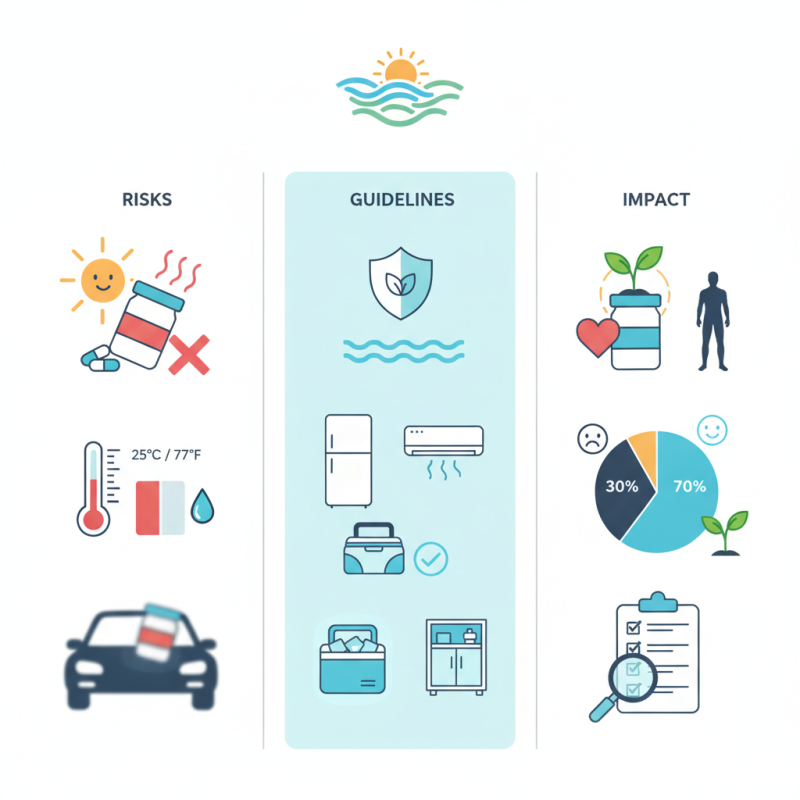
When storing prescription medications during summer, temperature sensitivity is crucial. Many medications require specific storage conditions to maintain their effectiveness. Exposure to excessive heat can degrade active ingredients. Understanding the storage guidelines for each medication can help ensure they remain safe for use.
If you're unsure about a medication’s temperature sensitivity, consult with a pharmacist. They can provide reliable information. Many medicines should be stored at controlled room temperatures, ideally between 68°F and 77°F. A simple thermometer can help monitor storage areas. For sensitive medications, refrigeration may be necessary. But check if your medication can tolerate cold storage.
Here are some tips for summer storage: Keep medications in a cool, dry place away from direct sunlight. Avoid car trunks or them in hot environments. Consider using a medication cooler for travel. Always check for changes in color or consistency before use, as these may signal a problem. If the effectiveness is questionable, don't hesitate to seek professional advice.
When summer heat rises, storing prescription medications safely becomes critical. High temperatures can compromise the effectiveness of medications, leading to potential health risks. Therefore, finding the right storage locations is essential.
Avoid keeping medications in the bathroom. The humidity and heat from showers can degrade their quality. Instead, opt for a cool, dry pantry or a dedicated cabinet away from direct sunlight. An ideal temperature for most medications is between 68°F and 77°F. Consider using a thermometer to monitor the temperature. It’s also important to seal medications in airtight containers, especially if your home is not climate-controlled.
If you're traveling, use insulated bags or coolers for medication. Keep them with you rather than in a hot trunk. Be mindful that certain medications may require refrigeration. It's a good practice to consult your pharmacist for guidance on specific storage needs. Reflecting on storage practices regularly can help ensure you’re not overlooking crucial details in your medication management during hot weather.
This chart illustrates the safety levels for storing prescription medications in various locations during the summer. Medications should ideally be stored in a refrigerator or a cool, dry area to maintain their efficacy, while locations like a car or bathroom may pose risks due to temperature fluctuations.
During the hotter months, properly transporting prescription medications can be challenging. Medications often require specific temperature conditions, and using insulated containers can mitigate potential risks. These containers are designed to maintain a stable environment for medications that may be sensitive to heat. They work by providing an extra layer of protection against temperature fluctuations.
Choosing the right insulated container is crucial. Look for options that have good thermal insulation, and ensure they fit your medications comfortably. Consider using ice packs inside the container. However, take care not to let the medications come into direct contact with ice, as moisture can compromise their efficacy. Regularly check the temperature inside the container, as this can help you ensure your medications remain safe.
It's easy to overlook these small details. Many people assume their medications are fine as long as they are kept out of direct sunlight. This is often not enough. A moment of negligence could lead to serious consequences. Reflect on your storage and transportation habits to better protect your health this summer.
Summer brings heat that can affect medications. High temperatures can alter their effectiveness. It is essential to check the storage instructions on medication labels. Many need to be kept at controlled room temperature. Hot, humid conditions can compromise them.
Monitoring expiry dates is vital. Even if stored well, medications can lose potency over time. Some may even become harmful. Regularly check your prescriptions. Discard any that are expired or show changes in color or texture. Using a calendar can help keep track.
Store them in a cool, dry place, away from sunlight. Be mindful of your environment. Frequent temperature changes can influence medication quality. Consider using a thermometer where you store them.
If you’re unsure about any medication's stability, consult a pharmacist. Their expertise can guide you in ensuring your medications remain safe and effective.
When summer arrives, the heat can affect how we handle prescription medications. Proper disposal of unused or expired medications is crucial. Simply throwing them in the trash can pose risks. Instead, consider safe methods to prevent accidental ingestion and environmental harm.
Local pharmacies often conduct medication take-back events. These events provide a safe place to dispose of old medications. If such events aren't accessible, mix medications with an unpalatable substance like coffee grounds or kitty litter. Seal this mixture in a plastic bag before discarding it. This method can deter children and pets from finding them.
Remember, flushing medications down the toilet is not recommended. This practice can contaminate water supplies. Always read labels for disposal instructions. Some medications may have specific guidelines. Not every pill can simply be discarded and forgotten. Understanding what to do with expired medications protects both your household and the environment.
: Medications often require specific temperature conditions to maintain efficacy. Heat can compromise their effectiveness.
Insulated containers maintain a stable environment and protect medications from temperature fluctuations.
Choose containers with good thermal insulation and ensure they fit your medications properly.
Yes, but avoid direct contact between medications and ice to prevent moisture damage.
Regular checks are essential to ensure medications remain within safe temperature ranges.
Use medication take-back events or mix with an unpalatable substance before discarding.
This can pose risks of accidental ingestion and environmental harm.
No, flushing can contaminate water supplies and is not recommended.
Mix medications with coffee grounds or kitty litter, then seal and throw away securely.
A moment of oversight can lead to serious health risks and compromised medication efficacy.
When considering how to store prescription medications safely during summer, it's crucial to first identify the temperature sensitivity of your medications. Many prescriptions can be adversely affected by heat, making it essential to store them in optimal locations where temperatures remain consistent and cool. During hotter months, utilizing insulated containers for transporting medications can also help mitigate the risk of heat exposure.
Additionally, regularly monitoring the expiry dates of your medications is vital, as heat can accelerate their degradation. If you find any unused or expired medications, it's important to dispose of them properly to ensure safety and compliance with disposal regulations. By following these guidelines, you can ensure that your medications remain effective and safe throughout the summer months.

ROA Medicare