The use of medical disposables is crucial in healthcare. These items promote hygiene and patient safety. However, a perplexing aspect arises: why are some medical disposables labeled as single use only? Understanding this labeling can shed light on the challenges faced in medical settings.
Single-use labeling is a precaution against cross-contamination. Reusing disposables might seem cost-effective. Yet, it can lead to serious infections. Each item is designed for a specific purpose and to maintain sterility. Once exposed, the risk of infection increases significantly. Manufacturers provide clear guidelines for a reason.
Healthcare professionals face dilemmas with these guidelines. Sometimes, resources are limited, leading to ethical questions. Can a disposable be used again, or should it be discarded? These uncertainties highlight the importance of education and adherence to safety protocols. Ultimately, one must weigh the benefits of reuse against the potential risks to patients.
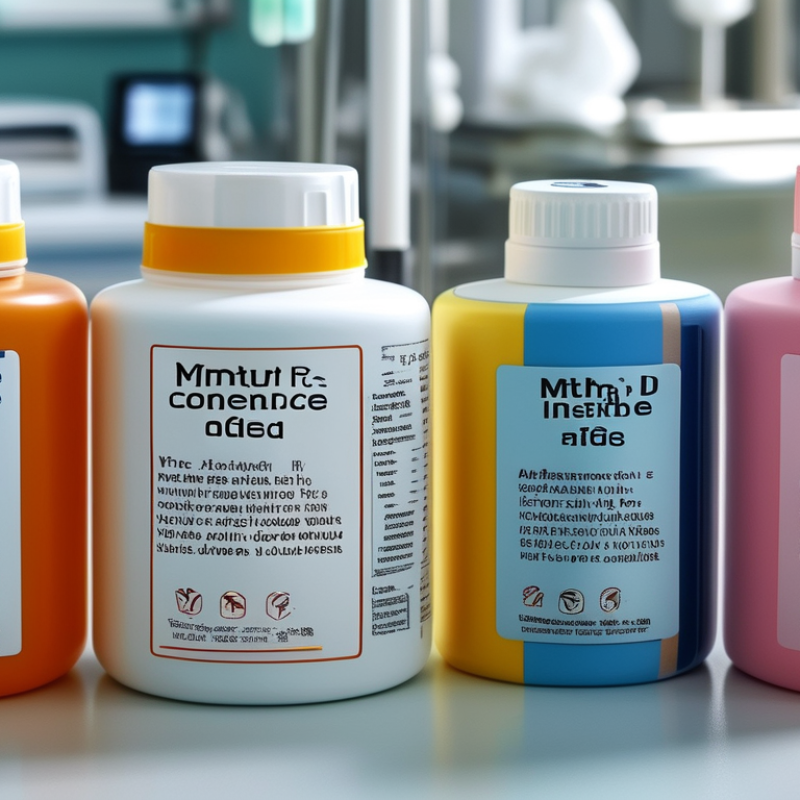
Definition and Purpose of Single Use Medical Disposables
Single-use medical disposables are designed to be used once and then discarded. Their primary purpose is to ensure safety and hygiene in medical settings. These items minimize the risk of infection and contamination. For example, syringes, catheters, and surgical gloves are common single-use products. They play a crucial role in patient care.
The label "single use only" serves a significant function. When a product is labeled this way, it emphasizes the need for sterility. Reusing these items can lead to serious health issues, such as cross-contamination or infections. Some users may question the rationale behind discarding these products after a single use. Economically and environmentally, this seems counterproductive. However, the focus on health and safety outweighs these concerns.
Improper disposal can also lead to challenges. Medical waste must be handled responsibly to prevent environmental harm. Some items may be made from recyclable materials, but regulations often dictate how to dispose of them correctly. This raises questions about sustainability in the medical field. The need for safety must balance with environmental awareness. Society must continually reflect on these issues.
Regulatory Standards Governing Single Use Labeling
The labeling of medical disposables as "single use only" is influenced by various regulatory standards. These standards ensure patient safety and minimize health risks. They are established by organizations dedicated to public health. Such devices are designed for one-time use to prevent contamination. Utilizing them more than once can lead to serious consequences, including infections.
Tips: Always check labels before use. Understanding these regulations helps healthcare professionals safeguard their patients.
Certain devices, such as syringes and scalpels, are inherently risky when reused. Reprocessing can compromise their integrity. For example, tiny cracks or residue may remain, making them unsafe. Manufacturers understand these risks and comply with strict guidelines. Yet, some disposables may be used improperly, raising questions about compliance.
Tips: Proper training is essential for using medical disposables. Regular oversight can help maintain standards. These efforts are critical in fostering trust in healthcare practices.
Risks Associated with Reusing Medical Disposables
Medical disposables are often labeled "single use only" for critical safety reasons. Reusing these items can expose patients to significant health risks. According to the Centers for Disease Control and Prevention (CDC), nearly one in twenty hospitalized patients develops an infection linked to medical care. Reusing a single-use item increases the risk of introducing harmful pathogens into sterile environments.
Certain devices, such as syringes or catheters, are designed for one-time usage only. They are manufactured with specific materials that may not withstand sterilization processes. A report from the World Health Organization (WHO) indicates that improper reprocessing might lead to contamination. For instance, studies show that multi-use devices can harbor bacteria even after cleaning attempts.
The economic aspect of reusing disposables can appear enticing. However, the potential long-term consequences can be detrimental. Infections from reused devices could lead to extended hospital stays, increased healthcare costs, and even complications. Trust in medical practices hinges on safety and adherence to regulations. Understanding these risks is essential for both medical professionals and patients alike.
Manufacturer Considerations for Single Use Devices
In the medical field, the term "single use" refers to devices designed for one-time use only. This designation is vital for various reasons, particularly from a manufacturer’s standpoint. Health risks are a primary concern. According to the FDA, reusing certain devices can lead to infection transmission, affecting patient safety. Each year, hospital-acquired infections cost the U.S. healthcare system approximately $9.8 billion, highlighting the importance of adhering to single-use protocols.
Manufacturers must also adhere to stringent regulatory standards. The FDA requires that single-use devices undergo rigorous testing to prove their safety and efficacy. Failure to comply can lead to serious repercussions for the manufacturer. Reports indicate that there has been a 24% increase in recalls of single-use devices over the last five years due to safety issues. This underscores the necessity for companies to be vigilant.
Designing for single use often limits material choices. Manufacturers can face challenges with cost, sustainability, and waste management. Many medical disposables can be vulnerable to flaws in materials, which can pose risks. Devices that are not properly engineered may not function as intended, leading to adverse outcomes. This calls for ongoing evaluation and innovation in the industry, pushing manufacturers to rethink design strategies while maintaining compliance and safety standards.
Usage of Medical Disposables: Single Use vs. Reusable
Impact of Single Use Policies on Healthcare Practices and Costs
The rise of single-use policies transforms healthcare practices. Single-use disposables simplify infection control in hospitals. They reduce the risk of cross-contamination effectively. However, these policies also spur debates about their environmental impact. Many medical facilities struggle with the sheer volume of waste generated.
Cost implications are another layer to this issue. Single-use items are often more expensive than reusable alternatives. Healthcare organizations face a balancing act between patient safety and budget constraints. The financial burden may limit access to necessary supplies in some settings.
Critics argue that the emphasis on single-use items can lead to excessive waste. Some healthcare professionals urge for a reevaluation of these practices. Finding a balance between safety and sustainability is vital. This conversation is ongoing, indicating a need for innovative solutions in medical waste management.
FAQS
: They are labeled to ensure patient safety and prevent health risks.
Reusing disposables can introduce harmful pathogens, leading to infections in patients.
Approximately one in twenty hospitalized patients develops such infections.
No, some devices, like syringes, are not designed to withstand sterilization processes.
Contamination can occur, even if cleaning efforts are made.
Single-use items are usually more costly than reusable alternatives, straining budgets.
They generate a significant amount of waste, which raises sustainability questions.
They may lead to excessive waste and call for a reevaluation of safety versus sustainability.
Patients could face longer hospital stays and increased healthcare costs.
No, they often struggle to maintain patient safety while managing budget constraints.
Conclusion
The article "Why Are Some Medical Disposables Labeled Single Use Only?" delves into the definition and purpose behind single-use medical disposables, emphasizing their critical role in maintaining safety and preventing infection in healthcare settings. It outlines the regulatory standards that govern the labeling of these items, ensuring they meet the necessary safety protocols. Additionally, the article highlights the risks associated with reusing disposable medical devices, which can lead to contamination and compromised patient safety.
Furthermore, it considers manufacturers’ perspectives on single-use devices, exploring their rationale for producing items labeled as such. The impact of single-use policies on healthcare practices and costs is also discussed, illustrating how these policies aim to enhance patient care while addressing economic factors. Ultimately, the article seeks to explain "why are some medical disposables labeled as single use only," providing insight into the complexities surrounding this essential aspect of medical device regulation and usage.

 ROA Medicare