Why Properly Dispose of Biohazard Medical Waste at Home?

Time:2026-10-03 Author:Amelia
0%

Biohazard medical waste does not belong in ordinary household trash. Used needles, lancets, blood-soaked dressings, and contaminated gloves can injure workers or spread infection. The World Health Organization reports that about 15% of healthcare waste is hazardous, including infectious, toxic, or sharps waste. That figure mainly reflects healthcare facilities, but the risk remains real at home.

Small mistakes matter.

A needle hidden in a kitchen bag may puncture a hand during collection. A wet dressing placed in an open bin can leak onto nearby surfaces. The U.S. Centers for Disease Control and Prevention recommends using a puncture-resistant sharps container for used needles and other sharps. The U.S. Food and Drug Administration also advises households to follow local disposal requirements and use appropriate sharps containers. These recommendations show why “just throw it away” is unsafe advice.

Learning how to properly dispose of biohazard medical waste at home starts with identifying the material. Separate sharps from dressings, tubing, and contaminated protective equipment. Keep waste away from children, pets, food, and sinks. Seal containers securely, but do not overfill or force materials inside. Local rules may differ, and medical waste programs are not available everywhere. That can be frustrating.

This guide offers practical, safety-focused steps based on public-health guidance. It does not replace instructions from a clinician, waste authority, or approved disposal service. If uncertainty remains, pause and ask. A careful delay is safer than an improvised solution.
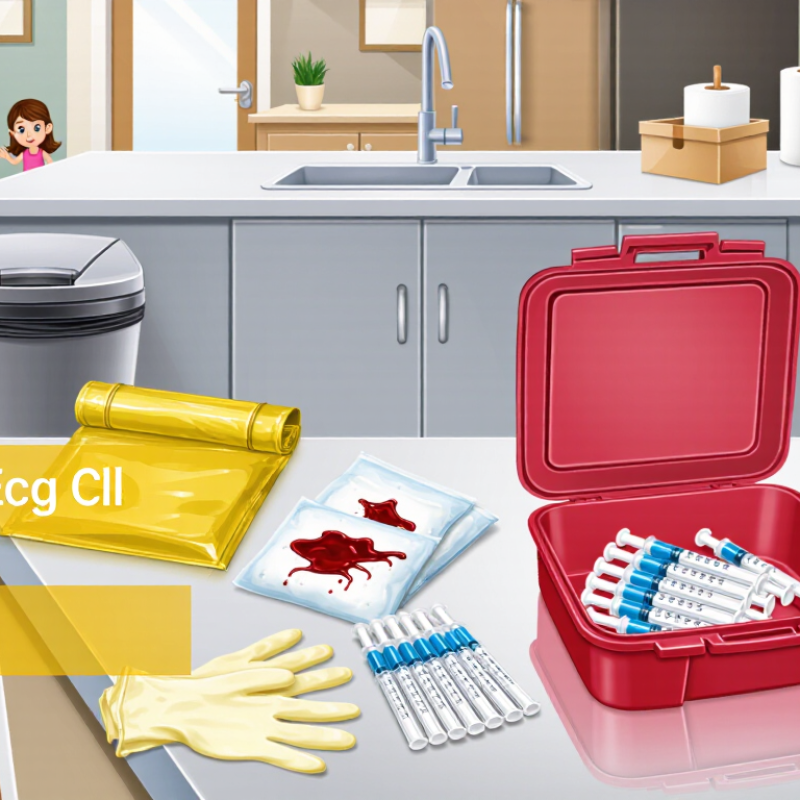
Why Properly Dispose of Biohazard Medical Waste at Home?

What Counts as Biohazard Medical Waste at Home

Why Properly Dispose of Biohazard Medical Waste at Home?

What Counts as Biohazard Medical Waste at Home

Biohazard medical waste is material that may carry blood, body fluids, or infectious microorganisms. At home, this commonly includes used needles, lancets, syringes, and contaminated wound dressings. Blood-soaked gauze belongs in this category when blood can leak or transfer easily. Used gloves may also require careful handling, especially after treating an open wound or infection.

The World Health Organization reports that about 15% of healthcare waste is hazardous, including infectious materials and sharps. Household waste is smaller in volume, but one needle can still puncture a trash bag or injure a worker. The Centers for Disease Control and Prevention recommends placing used sharps immediately into a closable, puncture-resistant container. A rigid container is safer than a thin plastic bottle. The opening matters, too.

Not every medical-looking item is biohazardous. Empty packaging, clean tissues, and unused bandages usually do not contain infectious material. Expired medicines follow different disposal guidance and should not be mixed with contaminated dressings. The boundary is not always tidy. A lightly stained pad may seem harmless, yet uncertainty deserves caution. Local health departments may classify materials differently, so checking their current instructions remains important.

Why Properly Dispose of Biohazard Medical Waste at Home?

What Counts as Biohazard Medical Waste at Home

Waste Category Common Household Examples Primary Hazard Recommended Handling Typical Disposal Route*
Sharps Needles, lancets, syringes with attached needles, and broken contaminated medical glass Needlestick injuries and possible exposure to bloodborne pathogens Place immediately in a rigid, puncture-resistant, leak-resistant sharps container. Do not recap, bend, break, or remove needles by hand. Household sharps collection site, community drop-off, or an approved mail-back service
Blood- or Body-Fluid-Soaked Materials Dressings, gauze, bandages, tissues, or disposable pads visibly saturated with blood or other potentially infectious fluids Contact with infectious blood or body fluids Wear disposable gloves, avoid shaking the material, place it in a sealed leak-resistant bag, and wash hands afterward. Follow local healthcare or regulated-medical-waste instructions; lightly contaminated household waste may be treated differently by local rules
Contaminated PPE Gloves, masks, gowns, or protective sleeves contaminated with blood or other potentially infectious material Transfer of contamination to skin, surfaces, or other people Remove carefully without touching the contaminated exterior, seal in a leak-resistant bag, and clean hands and reusable equipment. Use local instructions for regulated waste; ordinary non-contaminated PPE may generally follow normal household-waste rules
Specimens and Laboratory Materials Specimen containers, testing swabs, collection cups, or home-test components contaminated with body fluids Exposure to infectious microorganisms and leakage during handling Keep containers closed, do not open or rinse them, and place contaminated items in a sealed bag or designated container. Return through the testing provider or follow local healthcare-waste guidance
Unused or Expired Medicines Prescription medicines, controlled medicines, and over-the-counter drugs that are no longer needed Accidental ingestion, misuse, environmental contamination, or harm to aquatic life Keep medicines in original packaging when possible. Do not flush them unless official instructions specifically allow it. Medicine take-back program, pharmacy collection point, or local household-hazardous-waste service
Home-Care Equipment Tubing, drainage bags, disposable suction parts, or other equipment visibly contaminated with body fluids Leakage, odor, and exposure to infectious material Drain fluids only when instructed by a healthcare professional; otherwise seal contaminated components without compressing them. Home-health provider, medical-waste service, or local disposal program
Pathological or Anatomical Waste Human tissue, organs, or materials containing recognizable human tissue from home treatment Infection risk, odor, and legal or ethical handling requirements Do not place in household trash, compost, toilets, or drains. Keep isolated and contact a healthcare professional promptly. Healthcare facility or authorized medical-waste service

*Important: Disposal requirements differ by country, state, province, and municipality. “Biohazard” status depends on the type and amount of contamination, local regulations, and whether the material can transmit infection. Never place loose needles or visibly blood-soaked materials in recycling. Contact the local health department, waste authority, or healthcare provider for the applicable disposal route.

Why Improper Disposal Creates Health and Environmental Risks

Why Properly Dispose of Biohazard Medical Waste at Home?

Used needles, blood-stained dressings, and contaminated gloves can appear harmless after treatment. They are not ordinary household rubbish. Improper disposal can expose family members, waste workers, pets, and sanitation crews to injuries or infection.

A loose needle inside a kitchen bag may puncture thin plastic. One hidden sharp can cause a serious injury during collection. Blood or bodily fluids can also spread onto hands, floors, or waste containers. Children may touch colorful packaging before an adult notices it. This risk is easy to underestimate.

Environmental harm can continue after the bin leaves your home. Medical waste may reach sorting equipment, soil, or waterways when sealed incorrectly. Disinfectants and contaminated materials can create additional hazards if poured into drains. Local health departments often provide specific instructions for sharps and other regulated waste. Licensed collection services may be required in some areas.

Use a rigid, puncture-resistant container for sharps, and keep it closed away from children and animals. Do not crush, bend, or recap used needles. For dressings and gloves, follow local guidance instead of assuming a sealed bag is always acceptable. Even careful households can make mistakes, especially during stressful home care. I have seen how one rushed cleanup changes a safe room into a contamination concern. Clear labels, handwashing, and a planned disposal routine reduce that uncertainty.

How to Separate and Contain Medical Waste Safely

Why Properly Dispose of Biohazard Medical Waste at Home?

How to Separate and Contain Medical Waste Safely

Home medical waste needs careful separation before disposal. Keep used dressings, gloves, and disposable gowns away from ordinary household rubbish. Place these items in a strong, leak-resistant bag. Close it firmly after each use. Do not press the air out with your hands.

Sharps require different handling. Put needles, lancets, and broken medical glass into a rigid, puncture-resistant container with a secure lid. A proper sharps container is safest, but local health authorities may approve another suitable container. Never place loose sharps in a recycling bin or regular trash bag. Keep the container upright and away from children and pets.

Wash your hands after handling waste, even when gloves were worn. Clean any contaminated surface with an appropriate disinfectant. Medicines and liquid chemicals may require separate collection through local health services. Do not pour them into sinks unless official guidance allows it. Disposal rules can vary by location, so check current municipal instructions before putting sealed waste outside. Even careful households sometimes mix gloves with recyclables by mistake. That small error deserves attention, because workers may handle bags without expecting sharp or contaminated materials. A clear label, when locally permitted, can prevent confusion.

Where and How to Dispose of Biohazard Waste Properly

Why Properly Dispose of Biohazard Medical Waste at Home?

Where and How to Dispose of Biohazard Waste Properly

Biohazard waste includes used needles, lancets, blood-soaked dressings, and contaminated gloves. Never place these items loosely in household trash. Do not flush them down a toilet or sink. Instead, use a rigid, puncture-resistant container with a secure lid for sharps. Keep it upright and away from children and pets. For dressings and gloves, place them in a strong leak-resistant bag before disposal, unless local guidance requires a special container.

Contact your local health department, pharmacy, clinic, or licensed medical-waste collection service. Ask where household biohazard waste is accepted and whether drop-off or collection is available. Rules can differ by location, so online advice may be incomplete. That uncertainty matters. A container that seems safe may still be rejected if it is overfilled, damaged, or poorly labeled. Never reuse a sharps container, and do not force needles through its opening.

Tips: Wear disposable gloves when handling contaminated materials. Wash your hands with soap and water afterward. Clean nearby surfaces with an appropriate disinfectant. Keep waste stored temporarily in a locked or inaccessible place. If a needle punctures the skin, wash the area immediately and seek medical advice. Small mistakes happen, but ignoring them can create avoidable risks.

What to Do After Handling Medical Waste at Home

Why Properly Dispose of Biohazard Medical Waste at Home?

What to Do After Handling Medical Waste at Home

After handling used needles, lancets, dressings, or contaminated gloves, pause before touching household surfaces. Place used sharps directly into a puncture-resistant container near the treatment area. Keep the container upright, closed, and away from children and pets. The CDC recommends avoiding overfilled sharps containers because protruding items can cause injuries. NIOSH estimates that 600,000 to 800,000 needlestick injuries occur among healthcare workers in the United States each year. Home care is different, but the hazard remains real.

Wash your hands with soap and running water for at least 20 seconds. Clean any exposed surface with an appropriate disinfectant, following its label contact time. Do not recap, bend, or break used needles. Do not place loose sharps in recycling or regular trash. Local collection rules vary, so check your health department or waste authority before disposal. The U.S. FDA advises using approved sharps containers and following community disposal instructions. I sometimes see people focus on the container but forget the sink handle, phone, or door knob. That small gap matters.

Tips: Keep gloves, disinfectant, and hand soap together. Label the container clearly. If a needlestick occurs, wash the area immediately and seek urgent medical advice. Do not guess about exposure risk. WHO reports that about 16 billion injections are given worldwide each year, showing why safer disposal habits matter beyond hospitals. A perfect routine is difficult. A careful one is safer.

FAQS

Why should used needles stay out of household trash?

Loose needles can puncture thin bags and injure family members or waste workers. One hidden sharp is enough. Use a rigid, puncture-resistant container with a secure lid.

What container is suitable for used sharps?

Choose a sturdy container that cannot be pierced easily. Keep it upright and closed. Do not overfill it or force needles through the opening.

Should used needles be recapped, bent, or broken?

No. Do not recap, bend, crush, or break used needles. Place each sharp directly into the container after use. Rushing creates extra risk.

How should blood-stained dressings and contaminated gloves be handled?

Follow local disposal instructions. A strong, leak-resistant bag may be suitable in some areas. Other areas may require a special container. Do not assume.

Where can household medical waste be taken?

Contact your local health department, pharmacy, clinic, or licensed collection service. Ask about drop-off locations and collection options. Rules differ by location.

Where should medical waste be stored temporarily?

Keep it in a locked or inaccessible place. Store the container away from children and pets. A high shelf may not be enough for curious children.

What should I do after handling contaminated waste?

Remove gloves carefully and wash your hands with soap and running water for at least 20 seconds. Clean nearby surfaces, including sink handles, phones, and door knobs.

What should happen after a needlestick injury?

Wash the punctured area immediately with soap and water. Seek urgent medical advice. Do not guess about exposure risk. Small mistakes still deserve attention.

Conclusion

Biohazard medical waste at home may include used needles, lancets, blood-contaminated dressings, gloves, masks, and other materials that could carry infectious microorganisms. Because these items can cause needlestick injuries, spread infection, or contaminate soil and water, they should never be mixed with ordinary household trash, flushed down drains, or left where children and animals can reach them. Learning how to properly dispose of biohazard medical waste at home helps protect families, sanitation workers, healthcare staff, and the environment.

Separate waste immediately after use and place sharp objects in a rigid, puncture-resistant, leak-proof container with a secure lid. Keep other contaminated materials in a strong, sealed bag or designated container, and label it clearly without opening or compressing the contents. Contact a healthcare provider, local health department, pharmacy, or approved waste-collection service to learn where these materials are accepted and how they must be delivered. After handling medical waste, remove protective gloves carefully, wash hands thoroughly with soap and water, and disinfect any contaminated surfaces.

Amelia

Amelia

Amelia is a seasoned marketing professional with a wealth of expertise in our company’s core offerings. With an unwavering passion for driving growth and innovation, she plays a pivotal role in shaping our marketing strategies and enhancing brand visibility. A key aspect of her responsibilities......