Urinary incontinence in elderly patients is a serious concern, impacting their quality of life. According to the National Institute on Aging, about 30% of older adults experience some form of incontinence. This condition can lead to social isolation, anxiety, and depression. Managing urinary incontinence at home is crucial for maintaining independence and dignity.
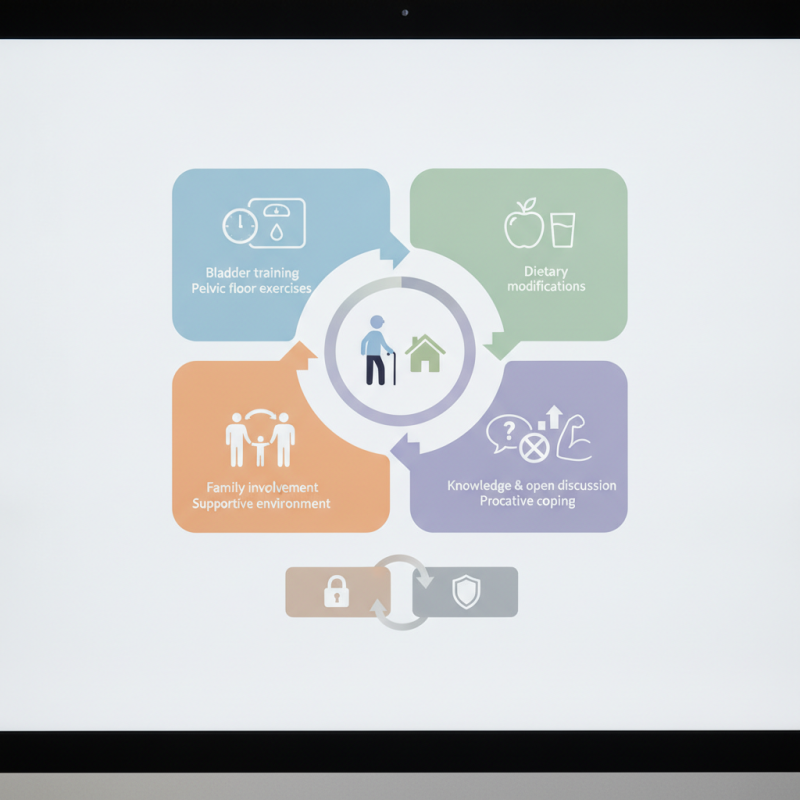
Dr. Karen Wenzel, a leading expert in geriatric medicine, emphasizes the importance of individualized care. She states, “How to manage urinary incontinence in elderly patients at home largely depends on their specific needs and preferences.” Home care strategies often include bladder training, pelvic floor exercises, and dietary modifications. Engaging family members in the management plan can foster a supportive environment.
Yet, many caregivers face challenges. There may be a lack of knowledge about effective management techniques. Additionally, stigma surrounding incontinence can hinder open discussions. It is essential to address these issues to improve self-esteem and encourage proactive coping strategies. Balancing care while respecting privacy remains a significant hurdle for many.
Understanding Urinary Incontinence in the Elderly
Urinary incontinence is a common issue among elderly patients. Studies indicate that nearly 30% of older adults experience some form of incontinence. This condition can significantly affect their quality of life. Individuals may feel embarrassed or isolated due to unexpected leaks. Understanding the causes is crucial. Factors such as weakened pelvic muscles, neurological disorders, and certain medications can contribute to this problem.
Managing urinary incontinence at home can be challenging yet necessary. Caregivers should observe patterns in patients’ toileting habits. Keeping a diary can help identify triggers. A 2019 report revealed that 50% of elderly people could improve their symptoms through simple lifestyle changes. This includes drinking adequate fluids while avoiding irritants like caffeine.
Pelvic floor exercises can strengthen muscles and are beneficial for many. However, it’s important to note that not all approaches work universally. What helps one person may not help another. Awareness of this variability is vital for effective home management.
Identifying Symptoms and Triggers of Incontinence
Urinary incontinence in elderly patients is a serious yet often overlooked issue. Identifying symptoms early can lead to better management at home. According to the American Urological Association, about 25% of older adults experience some form of incontinence. Recognizing these signs is crucial. Common symptoms include frequent urination, urgency, and leakage during physical activity or coughing. Tracking these can help caregivers develop a tailored approach for comfort and reliability.
Triggers for incontinence are varied. Dietary factors play a role; caffeine and alcohol can exacerbate symptoms. Emotional factors such as anxiety or depression are also significant contributors. Research indicates that untreated urinary incontinence can increase the risk of falls, contributing to mobility issues. Keeping a diary of incontinence episodes can help identify patterns and triggers, providing valuable information for healthcare providers.
It’s essential to create a supportive environment for the elderly. Encourage easy access to restrooms and schedule regular bathroom breaks. Some individuals may hesitate to discuss their struggles, complicating care. This creates challenges for caregivers who must navigate this sensitive topic. Open communication can help patients feel secure in addressing their needs, paving the way for effective management strategies.
Effective Home Management Strategies for Incontinence
Managing urinary incontinence in elderly patients at home requires thoughtful strategies. The environment plays a crucial role. Ensure bathrooms are easily accessible. Install grab bars for support. A bedside commode can be helpful during the night. Soft lighting can reduce anxiety during late-night trips.
Diet and hydration management also greatly influence incontinence. Encourage a balanced intake of fluids, but limit caffeine and alcohol. These can irritate the bladder. A diet rich in fruits, vegetables, and whole grains promotes regularity. Encourage pelvic floor exercises. These help strengthen the bladder's muscles.
Routine is essential. Create a schedule for bathroom visits. This can help build awareness of urges. Keep absorbent products on hand for peace of mind. Consider using waterproof mattress protectors. Reflect on the emotional impact of incontinence. Provide emotional support and promote open discussions. Acknowledging feelings and experiences can ease the burden of this condition.
Implementing Lifestyle Changes and Exercises
Managing urinary incontinence in elderly patients at home requires dedication and the right strategies. Implementing lifestyle changes can significantly improve quality of life. Encouraging a balanced diet rich in fiber may help. This can reduce constipation and pressure on the bladder. Hydration is important, but timing matters. Encourage patients to drink more fluids earlier in the day to limit nighttime urges.
Incorporating specific exercises can also make a difference. Kegel exercises strengthen pelvic floor muscles, helping to control urination. Encourage patients to practice these exercises several times a day. Simple movements, like leg lifts, can increase pelvic muscle tone, too. Some elderly patients may find it challenging, so patience is crucial.
Tips for success include creating a routine. Remind patients to visit the bathroom at set intervals. Encourage them to wear comfortable, easy-to-remove clothing. Maintain a calm environment during these activities to ease anxiety. Keeping a journal of fluid intake and bathroom visits helps identify patterns. Small adjustments can lead to impactful changes, promoting a sense of dignity and comfort.
Communicating with Healthcare Providers for Ongoing Support
Managing urinary incontinence in elderly patients requires ongoing communication with healthcare providers. Regular discussions can improve understanding and care strategies. Start by documenting specific symptoms and concerns. Note the time of incidents and any patterns. This information can be crucial for healthcare professionals to provide tailored advice.
Don’t hesitate to ask questions during visits. Engage in conversations about treatment options or lifestyle changes. If a suggestion doesn’t seem effective, express your concerns. It’s essential to share what works and what doesn’t. Caregivers should feel empowered to advocate for their loved ones.
Keep in mind that managing incontinence can be frustrating. Mental and emotional health issues may arise. Sometimes, a healthcare provider may overlook the emotional aspects. Acknowledging these feelings can help in finding a balanced approach. Your experience matters, and a genuine partnership with healthcare providers can lead to better outcomes.
FAQS
: Urinary incontinence is the involuntary loss of urine, impacting many elderly individuals.
Nearly 30% of the elderly face some form of incontinence.
It can lead to embarrassment and feelings of isolation for those affected.
Weakened pelvic muscles, neurological disorders, and some medications can lead to this issue.
Ensure easy bathroom access, install grab bars, and use bedside commodes for nighttime support.
A balanced diet with limited caffeine and alcohol can help manage bladder irritation.
Kegel exercises strengthen pelvic muscles, which can improve urination control.
Keep a diary of toileting habits and bathroom visits to identify patterns and triggers.
A scheduled approach helps build awareness of urges and encourages regular bathroom visits.
Open discussions and acknowledgment of feelings can reduce the emotional burden and enhance dignity.
Conclusion
Managing urinary incontinence in elderly patients at home can be challenging but is essential for maintaining their dignity and quality of life. Understanding urinary incontinence in the elderly involves recognizing the various symptoms and identifying potential triggers that can worsen the condition. Effective home management strategies include setting up a routine for bathroom use, utilizing absorbent products, and ensuring easy access to restrooms.
Implementing lifestyle changes such as dietary adjustments and pelvic floor exercises can further aid in controlling symptoms. It's also crucial to maintain open communication with healthcare providers to ensure ongoing support and to address any medical concerns that may arise. By focusing on these approaches, caregivers can learn how to manage urinary incontinence in elderly patients at home, enhancing their comfort and independence.

 ROA Medicare