Cleaning your mobility scooter is essential for maintaining its functionality and appearance. Many users often wonder what is the best way to clean mobility scooters. Regular cleaning not only enhances the scooter’s look but also prolongs its lifespan. This guide offers ten essential tips that can simplify the cleaning process.
Consider the surfaces of your scooter. Different materials may require distinct cleaning methods. For example, metal parts may need a simple wipe, while fabric covers demand more effort. Using the right tools can greatly affect your cleaning results. Dust and dirt accumulate over time, making it crucial to tackle these areas regularly.
Real-life experiences show that improper cleaning can lead to unexpected issues. Users sometimes forget to clean under the seat or between wheel spokes. These overlooked areas can hide grime and harm the scooter’s performance. Therefore, being thorough and consistent in cleaning is key to efficient mobility. By following these tips, you can keep your scooter in excellent working condition.
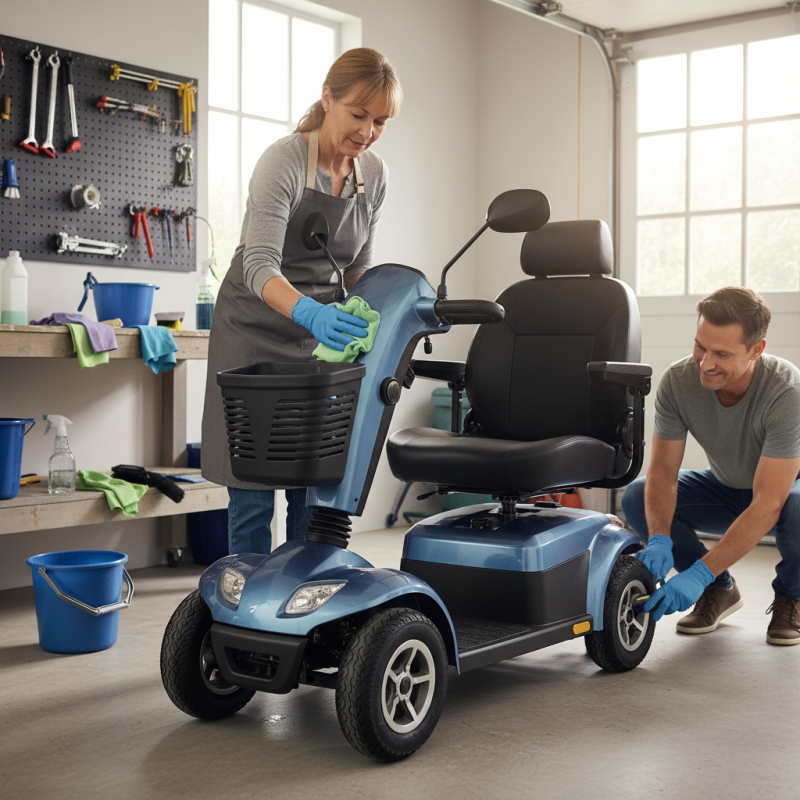
Cleaning your mobility scooter is vital for maintaining its performance and longevity. Regular cleaning prevents dirt and grime buildup, which can lead to mechanical issues over time. When surfaces are dirty, they can hide potential problems. A well-maintained scooter not only operates better but also provides a safer ride.
Taking the time to clean your scooter can enhance its lifespan. Dust and debris can accumulate in hard-to-reach areas, negatively impacting the scooter's functions. Not all users recognize that cleaning also contributes to hygiene. Mobility scooters are often used by individuals with health considerations. Keeping the machine clean helps prevent bacteria growth, promoting a healthier environment.
However, many overlook the importance of cleaning. Some may find the task tedious or feel they lack the necessary skills. It can be easy to neglect regular maintenance in a busy lifestyle. However, considering the long-term benefits is crucial. Investing time in maintenance today can save time and money in the future. Prioritizing this small task leads to a more enjoyable riding experience.
Cleaning your mobility scooter requires the right tools and supplies. Start with a soft cloth, mild soap, and water. A non-abrasive sponge is essential too. These items will help you gently clean the surfaces without causing damage. A long-handled brush can reach tricky areas, while a vacuum with a brush attachment can remove dust from hard-to-reach spots.
Consider using an old toothbrush for tight spaces. It’s perfect for scrubbing dirt without scratching the scooter's finish. Always check the manual for any specific cleaning instructions. Avoid harsh chemicals. They can degrade the materials over time.
When cleaning, pay attention to the wheels and battery compartment. Dirt can accumulate there, affecting performance. Use water sparingly around electronic components. A small drop of lubrication can keep moving parts functioning smoothly. Keeping your scooter clean is part of its maintenance. It enhances not just its appearance but also its lifespan.
| Tip Number | Cleaning Tip | Essential Tools/Supplies | Frequency |
|---|---|---|---|
| 1 | Wipe down the seat and armrests | Microfiber cloth, mild detergent | Weekly |
| 2 | Clean the wheels | Wheel brush, warm soapy water | Monthly |
| 3 | Check and clean the battery terminals | Contact cleaner, cloth | Every 3 months |
| 4 | Dust the control panel | Soft brush, microfiber cloth | Weekly |
| 5 | Inspect and clean the footrest | Mild detergent, sponge | Monthly |
| 6 | Remove and wash the seat cover | Washing machine | Every 6 months |
| 7 | Check for loose screws or parts | Screwdriver, wrench | Monthly |
| 8 | Clean the undercarriage | Hose, brush, water | Every 6 months |
| 9 | Wipe down all plastic components | Plastic cleaner, cloth | Monthly |
| 10 | Store in a dry place | None | As needed |
Cleaning your mobility scooter is crucial for maintaining its appearance and functionality. Start by gathering the right supplies. You will need a soft cloth, mild detergent, and a water source. A garden hose is ideal for rinsing off dirt. Make sure the scooter is turned off and in a safe location.
Begin by wiping down surfaces with a damp cloth. Be thorough in cleaning the armrests, seat, and footplate. Pay attention to crevices where dirt tends to accumulate. For stubborn stains, mix a mild detergent with water and apply it gently. Rinse the scooter with a hose, but avoid soaking electronic components. After rinsing, dry the scooter with a clean, soft cloth to prevent water spots.
Inspect the tires and wheels while cleaning. Remove debris that could hinder mobility. Regular maintenance helps keep the scooter in good condition. This process might feel tedious, but it’s necessary to ensure safety and efficiency. With time, you will find methods that work best for you. Remember, a clean scooter not only looks better, it runs better too.
Cleaning your mobility scooter requires careful attention, particularly when it comes to the battery and electrical components. According to recent industry reports, maintenance of these parts can extend the lifespan of your scooter by up to 30%. A clean battery not only performs better but also charges more efficiently. Remember to disconnect the battery before you start cleaning. This will prevent accidental short circuits.
When cleaning the electrical contacts, use a soft brush to remove dust. Avoid using harsh chemicals that could corrode these sensitive components. It’s essential to check for any signs of corrosion on the battery terminals. Corrosion can impede performance, leading to reduced travel range. Routine inspections and cleaning should be part of your maintenance schedule, ideally every every two months.
Water should be kept away from the electrical parts. Use a damp cloth instead of soaking the scooter. Drying it completely is crucial to prevent moisture from causing issues. Reports suggest that moisture-related problems are responsible for 20% of all mobility scooter malfunctions. Ensuring components are dry can save headaches later on. It’s worth reflecting on how often you think about these details. Regular, thoughtful maintenance can make a significant difference in mobility and independence.
Keeping your mobility scooter clean is crucial for both hygiene and longevity. An often-overlooked area is the seating and upholstery, which can accumulate dirt, spills, and odors over time. Research indicates that 85% of users notice a difference in comfort after a good clean. For effective cleaning, use a gentle upholstery cleaner. Always conduct a patch test on a small area first to avoid discoloration.
When cleaning the seating, remove loose debris with a vacuum. Pay attention to crevices where crumbs and dirt may hide. For stubborn stains, a mixture of warm water and mild detergent can work wonders. However, avoid saturating the fabric; excessive moisture can lead to mold growth. Surprisingly, in a survey of mobility scooter users, only 30% regularly clean their seating, which may reflect a lack of awareness about its importance.
Maintaining your scooter's upholstery not only enhances appearance but also contributes to your health. Regular cleaning can reduce allergens and bacteria, fostering a more pleasant riding experience. However, many users neglect this task or use harsh chemicals, which can damage fabrics. Strive to create a routine that addresses these aspects effectively. Embrace the challenge of keeping your mobility scooter in top condition by acknowledging areas that need improvement.
: Regular cleaning helps maintain performance and longevity by preventing dirt buildup that can cause mechanical issues.
Dirty surfaces can hide potential problems and negatively impact the scooter's functions over time.
Cleaning also promotes hygiene, which is vital for users with health considerations by preventing bacteria growth.
Essential tools include a soft cloth, mild soap, non-abrasive sponge, and a long-handled brush.
No, harsh chemicals can degrade the materials over time. It's best to stick with mild soap.
An old toothbrush is effective for scrubbing dirt in tight spots without scratching surfaces.
Regular cleaning is recommended, though busy lifestyles may lead to neglecting this task.
Yes, maintaining a clean scooter provides a safer ride by ensuring all components function properly.
Pay special attention to wheels and the battery compartment, as dirt can accumulate there.
Many users may feel this way. However, learning basic cleaning can lead to better maintenance over time.
Maintaining a clean mobility scooter is crucial for its longevity and performance. Regular cleaning helps prevent wear and tear, ensuring that all components function smoothly. To effectively clean mobility scooters, one should first gather essential tools and supplies. A step-by-step guide includes cleaning the exterior surfaces, paying close attention to battery and electrical components during the process. Additionally, proper care of seating and upholstery is necessary to enhance comfort and appearance.
When considering what is the best way to clean mobility scooters, it is important to follow a thorough and systematic approach. This includes using appropriate cleaning agents that will not damage the scooter while ensuring that all areas are accessible and clean. By adhering to these guidelines, users can enhance the lifespan of their mobility scooters and maintain them in optimal condition.

ROA Medicare