In the dental field, infection control is paramount. According to the Centers for Disease Control and Prevention (CDC), dental practices are at risk for transmitting infections if proper sterilization methods are not employed. This emphasizes why is sterilization so critical in dental clinics. An astounding 80% of dental professionals have reported equipment contamination incidents, raising significant concerns.
Effective sterilization procedures reduce the risk of cross-contamination. Studies show that routine sterilization can decrease bacterial infections in patients by up to 95%. This highlights the importance of maintaining a clean clinical environment. Moreover, patient trust hinges on practitioners' commitment to safety standards in sterilization.
Yet, not all clinics adhere to these critical protocols. Some facilities lack adequate training or resources. This could lead to lapses in sterilization practices. Dental clinics must continuously evaluate their procedures, ensuring they meet evolving industry standards. Adopting stringent sterilization practices is not just a legal requirement; it's essential for protecting patient health.
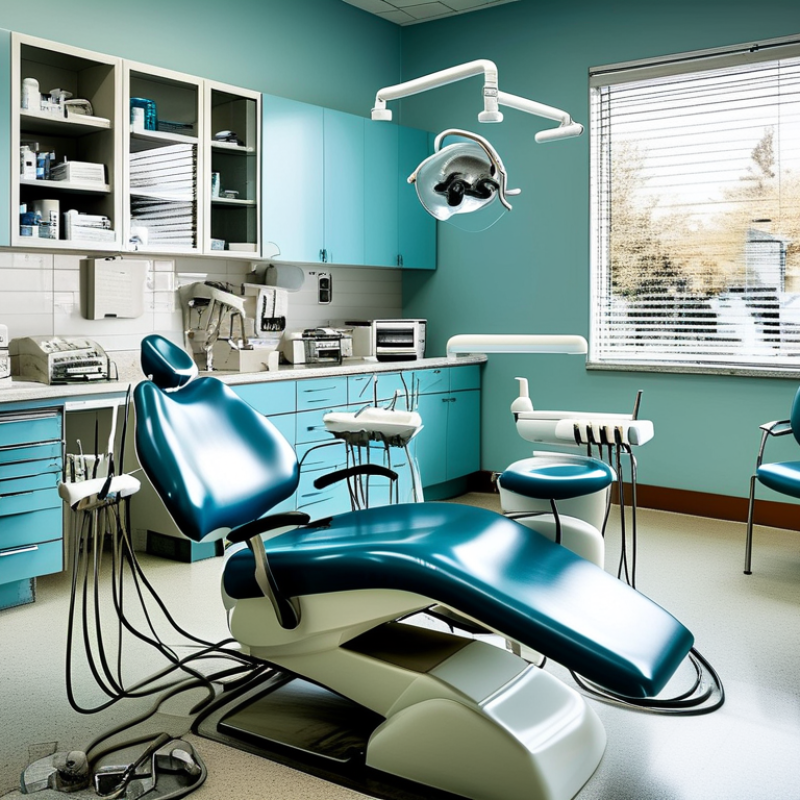
Importance of Sterilization in Preventing Infectious Diseases
In dental clinics, sterilization is vital for preventing the spread of infectious diseases. Contaminated instruments can harbor pathogens, leading to serious health risks. According to the Centers for Disease Control and Prevention (CDC), improper sterilization can result in infection rates as high as 5.6% among dental patients. This statistic highlights the potential danger of neglecting proper sterilization protocols.
Many dental professionals understand the significance of microbe control. Yet, studies show that up to 20% of clinics still experience lapses in their sterilization practices. Inadequate training or lack of resources can lead to these oversights. Moreover, as dental procedures become more complex, the risk of cross-contamination increases. It’s critical for clinics to regularly review their sterilization methods and invest in comprehensive training for staff.
The dental environment poses unique challenges. High-speed instruments and patient interactions create a breeding ground for bacteria. The World Health Organization (WHO) emphasizes that rigorous sterilization processes can reduce infection risks dramatically. Regular audits and adherence to guidelines can empower clinics to maintain high safety standards. Striving for improvement is essential in ensuring patient safety and trust.
Key Sterilization Techniques Used in Dental Clinics
Sterilization is essential in dental clinics for maintaining patient safety. Various key techniques are employed to ensure that dental instruments are free from harmful pathogens. Autoclaving is one of the most common methods. It uses high-pressure steam to kill bacteria, viruses, and spores. This process is reliable and effective but requires strict temperature and time control.
Another critical technique is chemical disinfection. Surfaces and non-heat-resistant tools often undergo this process. Concentrated solutions can eliminate a broad range of microbes. However, attention must be paid to contact time and dilution. Incomplete adherence to guidelines can lead to less effective results.
Hand hygiene is vital too. Regularly washing hands before and after patient interactions is simple yet impactful. It seems basic, yet many forget the significance of this step. The importance of proper techniques can't be overstated. Dental staff must remain vigilant. Every clinic should routinely review and improve sterilization practices.
Top 10 Reasons Why Sterilization is Critical in Dental Clinics
| Reason |
Description |
Key Techniques Used |
| Infection Control |
Prevents the transmission of infections between patients and dental staff. |
Autoclaving, Chemical Disinfectants |
| Patient Safety |
Ensures that all dental procedures are safe and free from contamination. |
Sterilization Wraps, Single-use Instruments |
| Compliance with Regulations |
Meets legal and ethical requirements set by health authorities. |
Monitoring and Record Keeping |
| Reputation Management |
Affects the clinic's credibility and patient trust. |
Regular Training for Staff |
| Reduced Cross-Contamination |
Minimizes the risk of spreading pathogens in the clinic. |
Surface Disinfection, Proper Disposal of Waste |
| Improved Treatment Outcomes |
Enhances the overall success of dental procedures. |
Instrument Sterilization, Barrier Techniques |
| Cost-Effectiveness |
Reduces costs associated with treating infections. |
Reprocessing Instruments |
| Enhanced Staff Protection |
Protects dental staff from exposure to infectious materials. |
Personal Protective Equipment (PPE) |
| Increased Efficiency |
Streamlines the workflow in dental procedures. |
Standard Operating Procedures (SOP) |
| Patient Education |
Empowers patients with knowledge about safety practices. |
Informative Brochures, Consultations |
Impact of Sterilization on Patient Safety and Trust
In dental clinics, sterilization plays a crucial role in ensuring patient safety and building trust. According to the Centers for Disease Control and Prevention (CDC), about 1 in 20 patients will develop an infection following a surgical procedure. This underscores the necessity for rigorous sterilization practices. Without such measures, hospitals risk a higher rate of healthcare-associated infections (HAIs), which can lead to severe complications.
Patient trust hinges on the perception of cleanliness and safety. A survey by the American Dental Association (ADA) found that 70% of patients prioritize a clean environment when choosing a dental provider. Consistent sterilization practices can significantly boost patient confidence. Yet, even seasoned dental professionals sometimes overlook certain sterilization protocols. For example, reusable instruments must be properly cleaned and sterilized, but lapses can occur due to heavy workloads.
The consequences of insufficient sterilization can be grave. The World Health Organization (WHO) notes that unsafe healthcare can undermine patient trust and lead to disengagement. Perceptions of risk can prompt patients to avoid necessary dental care, compromising their oral health. Even a minor oversight in sterilization can affect the overall patient experience. Trust is built through consistent, reliable practices, making sterilization not just a protocol but a cornerstone of effective dental care.
Regulatory Standards for Sterilization in Dental Practices
Sterilization is essential in dental clinics to prevent infections and ensure patient safety. Regulatory standards govern these practices, reflecting their importance. Dental practitioners must follow protocols set by health authorities. These protocols outline the sterilization of instruments and equipment. Compliance ensures the highest level of hygiene in dental procedures.
Every dental clinic should have a clear sterilization policy. Staff must undergo training on these standards. Regular audits can help maintain compliance. However, challenges arise. Some clinics struggle with inconsistent practices due to busy schedules. This can lead to gaps in effective sterilization.
Monitoring sterilization equipment is vital. Ensuring proper functioning can be overlooked. However, a malfunction can compromise patient safety. Clinics can improve by regularly reviewing sterilization practices. Engaging all staff members can lead to better outcomes. Awareness of these standards creates a culture of safety and reliability in dental care.
Consequences of Neglecting Sterilization in Dentistry
Neglecting sterilization in dental clinics can lead to severe consequences. Without proper sterilization, instruments become breeding grounds for bacteria and viruses. Patients risk infections such as hepatitis and HIV. A simple dental procedure could have life-altering effects due to contaminated tools.
Infections are not the only issue. Non-compliance with sterilization protocols can damage a clinic's reputation. Patients often share their experiences online. Negative reviews can deter potential clients. Trust is crucial in dentistry; one incident could tarnish a practice for years. The financial implications of lawsuits can also be devastating.
Each dental professional must take sterilization seriously. Regular training and audits should be standard. However, many clinics still overlook this vital aspect. It’s essential to create a culture where safety is prioritized. Reflection on current practices can reveal gaps in sterilization processes. A proactive approach is vital for patient safety and clinic integrity.
FAQS
: Sterilization ensures instruments are free from harmful pathogens, maintaining patient safety.
Autoclaving uses high-pressure steam to kill bacteria, viruses, and spores. It requires strict temperature control.
Chemical disinfection involves using concentrated solutions to eliminate microbes on surfaces and tools.
Hand hygiene, like washing hands regularly, significantly impacts patient safety but is often overlooked.
Patient trust hinges on cleanliness. Many patients prioritize a clean environment when choosing a dental provider.
Lapses in sterilization can lead to infections and undermine patient trust in dental care.
Busy schedules can lead to inconsistent practices and gaps in effective sterilization.
Malfunctioning equipment can compromise sterilization, posing risks to patient safety.
Regular reviews, staff engagement, and training on protocols can enhance sterilization outcomes.
Unsafe practices can lead to disengaged patients, as risk perceptions may discourage necessary dental care.
Conclusion
In the realm of dental care, the question "why is sterilization so critical in dental clinics" is paramount to ensuring patient safety and infection control. Sterilization plays an essential role in preventing the spread of infectious diseases, as dental procedures inherently involve exposure to blood and saliva. Key techniques, such as autoclaving and chemical disinfection, are employed to ensure that all instruments are free from pathogens, thus safeguarding both patients and dental personnel.
Moreover, adherence to regulatory standards for sterilization is mandatory in promoting trust between patients and dental healthcare providers. Neglecting proper sterilization practices can lead to devastating consequences, including outbreaks of infection, loss of patient confidence, and potential legal ramifications. Ultimately, effective sterilization practices in dental clinics are not only a matter of compliance but a crucial element of patient care and safety.

 ROA Medicare