Compression stockings serve an essential purpose for many individuals. They provide support, enhance circulation, and alleviate discomfort. However, a common concern arises: why do some compression stockings feel too tight? This feeling can be perplexing, especially when the primary goal is comfort and relief.
Several factors contribute to this issue. The size and fit of the stockings play a crucial role. If they are not properly fitted, they can feel constrictive. Additionally, the level of compression may not align with personal comfort levels. Such discomfort can lead to frustration and diminish the benefits these garments should provide. Understanding the interplay between firmness and comfort is vital.
It's also important to consider individual differences. Body shape, skin sensitivity, and other personal factors can influence how compression stockings feel when worn. While their intended purpose is to support, the experience of tightness deserves attention. Reflecting on these aspects can help users choose the right type and size, enhancing their overall experience.
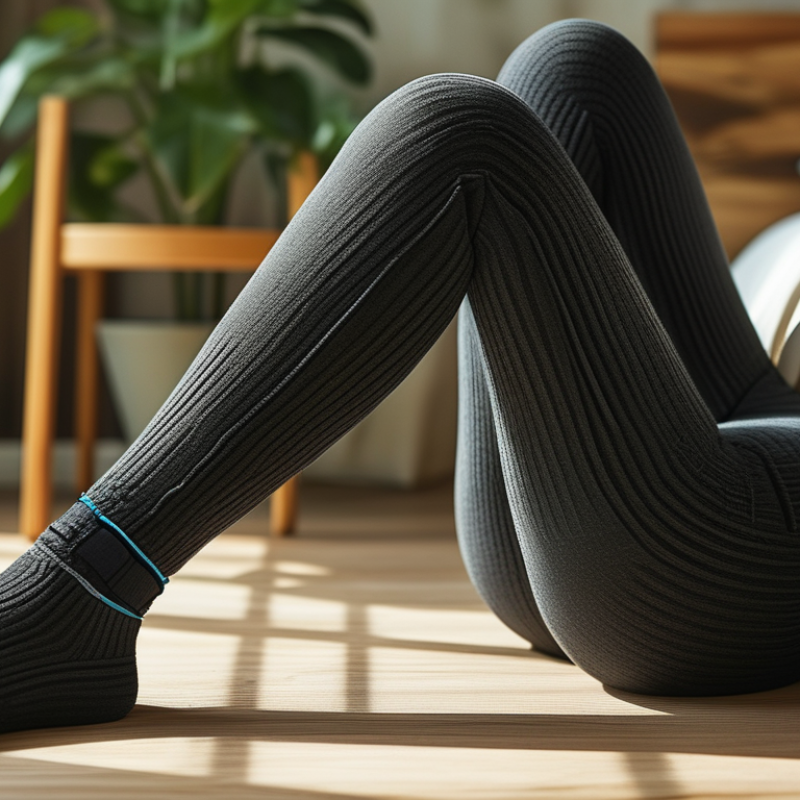
Understanding Compression Stockings and Their Purpose
Compression stockings serve a crucial role in promoting healthy circulation. They help alleviate symptoms of varicose veins, prevent blood clots, and reduce swelling. According to a report by the American College of Phlebology, approximately 60% of patients report significant relief when wearing these garments. However, the sensations they induce can vary greatly. Some individuals find them excessively tight, leading to discomfort.
These stockings apply graduated pressure, being tighter at the ankle and gradually less snug toward the knee or thigh. This design aims to enhance blood flow and support the veins. However, factors like incorrect sizing, excessive compression level, or extended wear can lead to sensations of constriction. It is essential for users to engage in proper fitting and to understand the intended pressure levels. A study from the European Journal of Vascular and Endovascular Surgery notes that personalized fittings increase user satisfaction by up to 40%.
**Tips:** Choose the right size to ensure proper fit. Consult a professional for advice on what compression level suits your needs best. Wearing them for shorter periods initially helps your body adjust, reducing any feelings of tightness. Remember, slight discomfort is normal, but significant pain indicates a problem.
Factors Influencing the Fit of Compression Stockings
When it comes to compression stockings, fit is crucial. Proper fit ensures that the stockings deliver adequate pressure where it's needed most. Yet, many users experience discomfort due to tightness. One factor influencing fit is the individual's leg measurements—ankle, calf, and thigh circumference need careful consideration. A 2018 study indicated that nearly 30% of users purchase the wrong size, often leading to excess compression.
Another aspect is the level of compression itself. Most stockings offer varying degrees of compression, measured in mmHg. According to the American College of Phlebology, lighter compression (8-15 mmHg) is suitable for mild swelling, while higher levels (20-30 mmHg) target more severe conditions. Users frequently misinterpret their needs, choosing a higher compression level that feels excessively tight. This misjudgment can lead to poor compliance and returned products, emphasizing the need for personalized fitting.
Material also plays a role in comfort. The elasticity and breathability of fabrics differ widely. Compression stockings made from synthetic blends may feel particularly constricting during warmer weather. A recent survey showed that 25% of users reported feeling too hot in their stockings. Hence, material choice should reflect individual comfort preferences, alongside the prescribed compression level, to avoid negative experiences.
Factors Influencing the Fit of Compression Stockings
This bar chart illustrates various factors that affect how tight compression stockings feel on the wearer. The factors include material elasticity, correct sizing, leg circumference, and compression level.
Physical Reactions to Compression: Comfort vs. Discomfort
When wearing compression stockings, some people may experience discomfort. This sensation can arise from various factors, such as the fit and the level of compression. It’s important to remember that the primary purpose of these stockings is to enhance circulation. However, not everyone’s experience is the same. For some, what feels tight might actually promote better blood flow. Yet, for others, it may cause irritation or discomfort.
Over time, your body may adapt to the pressure. The initial tightness can lead to feelings of restriction, especially if the stockings are too small. Adjusting the size or compression level may be necessary. Listen to your body’s reactions. If the stockings are overly tight, consider consulting a healthcare professional for guidance.
Tips: Be aware of your body's signals. If discomfort persists, retry a different size. Gradually increase your wear time. Start with shorter periods to allow your legs to adjust. Compression should feel snug, not painful.
Choosing the Right Size and Compression Level for Your Needs
Choosing the right size and compression level for compression stockings is crucial for comfort. Many people feel discomfort when stockings are too tight. A proper fit enhances circulation and prevents issues like swelling or varicose veins. It’s important to measure your legs accurately. Use a tape measure around your calf and thigh to find your size.
Compression levels vary widely. They range from mild to high compression, measured in mmHg. Higher compression is not always better for everyone. Some may need moderate compression after surgery. Others might only need mild support for daily activities. Understanding your specific needs is essential in selecting the right level.
Feeling overwhelmed by all the options is common. Each person's body reacts differently to compression. Consult a healthcare provider for personalized advice. They can help identify the right size and compression level for you. Remember that the goal is comfort and support, not just tightness. Finding the right stockings can take time and patience.
Common Misconceptions About Compression Stockings and Tightness
When it comes to compression stockings, many people harbor misconceptions about their fit and tightness. Some believe that if a pair feels excessively tight, they may not be right for them. In reality, compression stockings are designed to exert pressure on the legs. This pressure helps to improve circulation and prevent swelling. A snug sensation is essential, but many mistake this necessary tightness for discomfort.
Often, individuals assume that tighter means better. This isn’t always the case. Overly tight stockings can lead to discomfort or even restrict blood flow. There’s a delicate balance between relief and restriction. It’s crucial to find the right size and compression level. Consult a healthcare professional for guidance, as they can suggest appropriate options based on your individual needs.
Some users might experience initial discomfort, mistaking it for a poorly fitting product. It can be difficult to adjust to the feeling of compression. However, this feeling often diminishes with wear. Listening to your body is vital. If pain persists, it’s wise to reevaluate your choice. Remember, comfort and effectiveness go hand in hand. Choosing the right stockings requires care and awareness.
FAQS
: They promote healthy circulation and help alleviate varicose veins, blood clots, and swelling.
They apply graduated pressure, being tighter at the ankle and less snug toward the knee or thigh.
Discomfort can result from incorrect sizing, excessive compression, or wearing them for too long.
Proper fitting ensures adequate pressure and comfort. Personalized fittings can increase satisfaction by 40%.
Consult a professional to determine the suitable compression level, as higher levels may feel too tight.
Slight tightness is normal, but significant pain means something is wrong. Listen to your body.
Consider adjusting the size or compression level. Consulting a healthcare professional is advisable.
Start with shorter wear periods to help your body acclimate and reduce feelings of tightness.
Materials vary in elasticity and breathability; synthetic blends may feel more constricting in warm weather.
Yes, your body may adjust, but if discomfort persists, a size or compression level change may be needed.
Conclusion
Compression stockings are designed to improve circulation and alleviate discomfort associated with various medical conditions. However, many users wonder why do some compression stockings feel too tight. The fit of compression stockings can be influenced by several factors, including the individual's body shape, the specific design of the stockings, and the compression level chosen.
It's important to understand the difference between comfort and discomfort when wearing these garments. While it's normal for compression stockings to feel snug, excessive tightness can lead to discomfort and may indicate an incorrect size or pressure level. Selecting the right size and understanding the intended compression levels is crucial for maximizing the benefits while ensuring comfort. Additionally, misconceptions about the purpose and fit of compression stockings can contribute to misunderstanding their tightness. By addressing these factors, users can find the right stockings for their needs without experiencing undue tightness.

 ROA Medicare