Why You Should Clean Reusable Rehabilitation Equipment Safely?

Time:2026-08-14 Author:Ethan
0%

Cleaning reusable rehabilitation equipment is essential for patient safety and equipment longevity. Many facilities overlook this crucial aspect, risking contamination and ineffective treatments. Understanding how to clean reusable rehabilitation equipment safely should be a priority for all healthcare providers.

Proper cleaning protocols are not just about routine maintenance; they prevent the spread of infections and ensure that the equipment functions as intended. Many staff members may underestimate the risks involved, but even minor oversights can have serious consequences. Reliable methods and detailed guidelines are vital for ensuring that rehabilitation tools remain safe for patient use.

In an ideal world, every facility would implement strict cleaning measures. However, challenges do arise. Staff training and time constraints can lead to inconsistent practices. Therefore, it’s imperative to reflect on current cleaning techniques. Striving for improvement in this area can significantly enhance the overall quality of care provided to patients while extending the life of essential equipment.
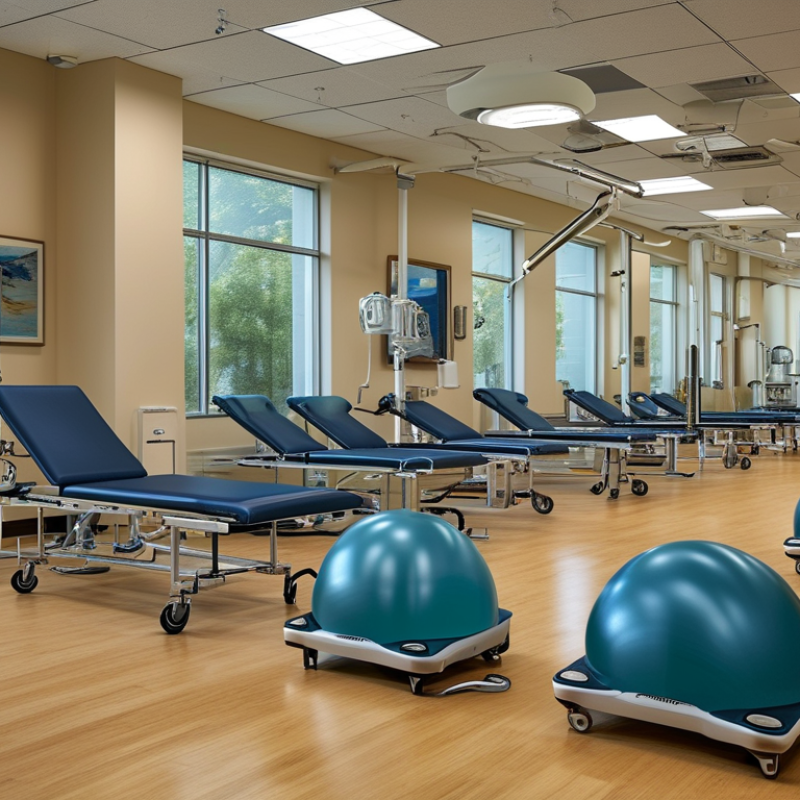
Why You Should Clean Reusable Rehabilitation Equipment Safely?

The Importance of Cleaning Reusable Rehabilitation Equipment

Cleaning reusable rehabilitation equipment is crucial. Proper hygiene prevents the spread of infections. Medical studies suggest that up to 80% of healthcare-associated infections stem from contaminated surfaces. In rehabilitation settings, equipment like therapy mats and exercise bikes are often shared. If not cleaned thoroughly, these items can harbor harmful pathogens.

The process of cleaning is not just about appearances. Research shows that inadequate cleaning methods can leave bacteria and viruses intact. A report highlights that 60% of healthcare workers admit to following insufficient cleaning protocols. Equipment must be washed with appropriate disinfectants to ensure safety. Attention to detail during cleaning can significantly lower infection risks.

However, many facilities may struggle with consistent cleaning practices. Staff shortages and limited training can lead to lapses. A survey found that only 40% of rehabilitation centers provide adequate training in equipment sanitation. This raises concerns about patient safety. It's vital that healthcare providers invest in training and resources to address these issues effectively.

Understanding Contaminants in Rehabilitation Equipment

Rehabilitation equipment is vital for recovery, yet it can harbor various contaminants. Understanding these contaminants is key to effective cleaning. Bacteria and viruses thrive in warm, damp environments. When equipment is not cleaned properly, they can transfer to users, putting their health at risk.

Common contaminants include skin cells, sweat, and bodily fluids. Each contributes to the risk of infection. Additionally, equipment may hold onto dust and dirt from the environment. These particles can lead to allergic reactions or respiratory issues. A rigorous cleaning routine is necessary. It should encompass all visible surfaces and hard-to-reach areas.

Many users overlook the importance of safe cleaning practices. Using powerful disinfectants without proper training can be problematic. These chemicals may harm the equipment or leave residue that irritates the skin. It’s essential to understand the right cleaning solutions and methods. Awareness of contaminants helps in maintaining not only equipment but also user safety.

Safe Cleaning Methods for Rehabilitation Tools

Maintaining a clean environment is crucial for rehabilitation equipment. This ensures safety and effectiveness in therapy sessions. Safe cleaning methods start with understanding the materials in your tools. Some surfaces may need gentle detergents while others can withstand stronger cleaners. Always check the manufacturer’s guidelines before cleaning.

Use disposable wipes for quick sanitation. These can reduce the risk of cross-contamination. It's important to clean between uses, especially in shared facilities. Soaking equipment in a mild disinfectant can also be effective. Ensure thorough drying afterward to prevent mold growth.

Regularly inspecting your equipment can uncover hidden dirt or wear. Sometimes, we overlook small details. Regular assessments can enhance your cleaning routine. While visible dirt is easy to spot, hidden areas can harbor bacteria. Balancing thorough cleaning with practical time management is a constant challenge. It requires commitment and awareness.

Importance of Safe Cleaning Methods for Rehabilitation Tools

This chart illustrates the effectiveness of various cleaning methods for rehabilitation equipment. The data shows the percentage of rehabilitation specialists that prefer each method based on safety and effectiveness.

Best Practices for Maintaining Hygiene Standards

Maintaining hygiene standards for reusable rehabilitation equipment is crucial for patient safety. Studies show that improperly cleaned devices can harbor bacteria, leading to healthcare-associated infections (HAIs). According to the World Health Organization, HAIs affect hundreds of millions across the globe each year. This statistic highlights the pressing need for proper cleaning protocols.

Regularly disinfecting equipment after each use is essential. Use EPA-approved sanitizers to ensure effectiveness against various pathogens. Additionally, staff must be trained in proper cleaning techniques. The Centers for Disease Control and Prevention (CDC) recommends using personal protective equipment (PPE) during the cleaning process. Yet, some facilities overlook this practice, risking exposure to harmful pathogens.

Implement a checklist to ensure each step is followed. According to a survey by Infection Control Today, nearly 30% of healthcare providers admitted to skipping steps. This oversight can be detrimental. Continuous reflection on cleaning procedures fosters a culture of safety. Regular audits can identify gaps and promote adherence to best practices.

The Impact of Clean Equipment on Patient Health

Cleaning reusable rehabilitation equipment is crucial for patient health. Clean equipment prevents the spread of infections. It minimizes the risk of cross-contamination. In rehabilitation settings, this is particularly important. Patients often have weakened immune systems. Any surface harboring bacteria can pose a serious threat.

Furthermore, dirty equipment can lead to longer recovery times. When patients use unclean devices, they may not fully benefit from their rehabilitation. Clinicians and therapists must ensure all tools are sanitized. Regular cleaning routines should be a priority in every facility. It’s a practice that requires vigilance and training.

However, the process of cleaning can often feel rushed. Staff may overlook certain areas or use ineffective cleaning agents. It is essential to reflect on these practices. Rushing can lead to oversight. Ensuring proper cleaning protocols are followed requires a consistent commitment to patient safety. Proper education on cleaning methods is vital to avoid pitfalls in hygiene practices.

FAQS

: Why is cleaning rehabilitation equipment important?

: Cleaning is crucial to prevent infections. Contaminated surfaces can spread harmful pathogens.

What percentage of healthcare-associated infections are due to equipment contamination?

Studies suggest that up to 80% of such infections stem from contaminated surfaces.

What common contaminants are found on rehabilitation equipment?

Common contaminants include skin cells, sweat, and bodily fluids. Dust can also accumulate, causing issues.

How effective are current cleaning practices in rehabilitation centers?

Many facilities struggle with cleaning consistency due to staff shortages and limited training.

What percentage of rehabilitation centers provide adequate training in equipment sanitation?

A survey found that only 40% of centers offer sufficient training on sanitation practices.

What risks arise from using improper cleaning methods?

Inadequate cleaning can leave bacteria and viruses intact, increasing infection risks significantly.

Can strong disinfectants be harmful?

Yes, without proper training, strong disinfectants may damage equipment or cause skin irritation.

What should a rigorous cleaning routine include?

It should cover all visible surfaces and hard-to-reach areas.

How do environmental factors affect equipment cleanliness?

Warm, damp environments allow bacteria and viruses to thrive, increasing contamination risk.

Why is awareness of contaminants important for users?

Understanding contaminants helps maintain equipment and ensures user safety during rehabilitation.

Conclusion

Cleaning reusable rehabilitation equipment safely is crucial for ensuring patient health and maintaining hygiene standards. This article emphasizes the importance of understanding various contaminants that can accumulate on rehabilitation tools and the significance of employing safe cleaning methods. By adhering to best practices, healthcare providers can effectively reduce the risk of infection and contamination, ultimately leading to better patient outcomes.

Furthermore, the impact of clean equipment on patient health cannot be overstated. Regular and proper sanitation of rehabilitation tools not only protects patients but also enhances the overall efficacy of rehabilitation efforts. Learning how to clean reusable rehabilitation equipment safely is thus an essential skill for any healthcare professional dedicated to providing a safe therapeutic environment.

Ethan

Ethan

Ethan is a seasoned marketing professional with a deep expertise in our company's innovative product line. With a passion for sharing knowledge and insights, he takes the lead in regularly updating our corporate blog, where he explores industry trends, product features, and effective marketing......