When managing chronic wounds, one key question arises: how often should you change a chronic wound dressing? This decision impacts healing and comfort. Patients and caregivers must understand the right frequency for dressing changes. It's not a one-size-fits-all answer. Factors like the wound type, moisture level, and patient needs all play vital roles.
Research suggests that changing dressings too frequently may disrupt healing. Conversely, infrequent changes might lead to infection. Finding the balance can be challenging. A well-informed approach is essential. Some dressings are designed to last longer than others, but individual circumstances differ. Monitoring the wound's appearance and odor can provide useful clues.
Consulting healthcare professionals is crucial for personalized advice. Their experience can guide you in making informed decisions. Understanding the nuances of dressing changes may feel overwhelming. Yet, with the right knowledge and regular assessments, you can improve the healing process effectively. Always question and reflect on your current practices in wound care.
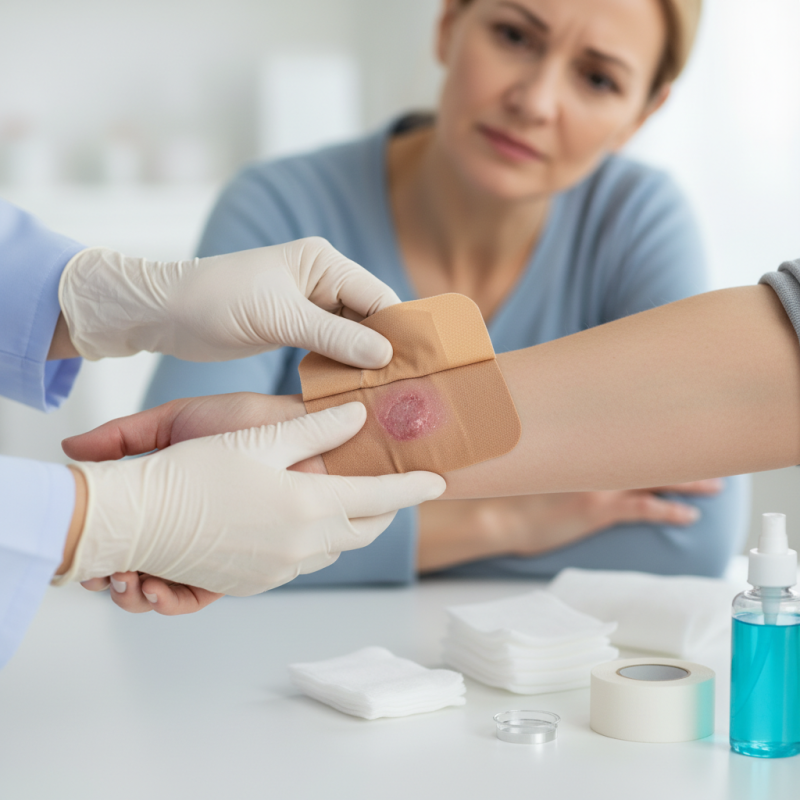
When managing chronic wounds, dressing change frequency can vary significantly. Factors influencing this decision include the wound's size, type, and condition. A moist wound environment promotes healing, and sometimes, dressings can stay for several days. However, if a dressing becomes saturated or shows signs of infection, it must be changed promptly.
Patient comfort and activity levels also play crucial roles. For instance, an active patient may require more frequent changes than someone who is less mobile. Additionally, the type of dressing used can affect how often it needs replacement. Some advanced dressings can manage exudate better, potentially allowing longer wear times.
Moreover, healthcare providers must consider individual patient needs. Skin sensitivity and allergic reactions may necessitate more careful dressing changes. Not all wounds heal at the same pace, which complicates a one-size-fits-all approach. Observing how a chronic wound responds over time is essential for adjusting care strategies. Flexibility is vital in managing these wounds effectively.
Chronic wounds require careful management, especially when it comes to dressing changes. The type of wound greatly influences how often you should change the dressing. For a diabetic ulcer, it is often recommended to change the dressing every three to seven days. This helps maintain a moist environment while protecting the wound from infection.
Pressure ulcers, on the other hand, can be a bit more challenging. They may need dressing changes every two days if there’s heavy exudate. It's crucial to keep an eye on the wound's condition. If the dressing becomes saturated, it should be changed immediately. On the other hand, if the wound appears dry, it may not need a change so frequently.
Some may overlook the importance of these intervals. Wound care is not just about changing dressings; it's also about observing healing. Regular assessments can indicate if more or less frequent changes are needed. Keeping a consistent record of dressing changes and wound appearance can lead to better care outcomes.
Chronic wounds often require careful management to promote healing. The frequency of dressing changes can significantly impact the wound environment. Moisture levels and exudate production play critical roles in determining the optimal dressing schedule. Excess moisture can lead to maceration, while insufficient moisture may cause the dressing to adhere to the wound.
Research indicates that moist wound healing can enhance tissue regeneration. A study published in the Journal of Wound Care reported that chronic wounds maintained in a moist environment heal 20% faster, compared to those that are kept dry. Therefore, monitoring exudate levels is essential. Wounds with high exudate may need dressing changes every 1-2 days. Less exudative wounds may only require changes every few days.
**Tips:**
Regularly assess the wound for signs of infection. An increase in redness or drainage may mean it's time for a change. Consider using absorbent dressings for high-exudate wounds. Also, when evaluating the dressing, ask if the wound is too wet or too dry. Adjust accordingly to promote optimal healing conditions.
Chronic wounds require careful attention, especially regarding dressing changes. Wound care organizations offer vital guidelines on how frequently these dressings should be replaced. Generally, one should change the dressing when it becomes wet, soiled, or if there are signs of infection. This might happen daily or every few days, depending on the wound's condition.
It's essential to monitor the wound closely. If there are signs of increased pain, redness, or discharge, a dressing change may be needed sooner. Relying solely on a schedule isn't enough. Each wound heals at its own pace, and the care plan should adapt accordingly. In some cases, patients may change their dressings too often or not enough, leading to complications.
Professional advice from healthcare providers is crucial. They can assess wounds and recommend personalized care strategies. Remember, proper dressing techniques also influence healing. Use sterile tools and clean hands to prevent introducing bacteria. A little vigilance can go a long way in enhancing recovery. Each step matters, and small changes can make a big difference in wound healing.
| Wound Type | Recommended Dressing Change Frequency | Notes |
|---|---|---|
| Venous Ulcer | Every 1-2 days | Change more frequently if exudate is heavy. |
| Arterial Ulcer | Every 3-7 days | Monitor for signs of infection. |
| Diabetic Foot Ulcer | Every 2-4 days | Inspect daily for healing progress. |
| Pressure Ulcer | Every 1-3 days | Change if saturated or soiled. |
| Surgical Wounds | Every 1-2 days or as needed | Follow specific surgeon's advice. |
When dealing with chronic wounds, knowing when to change the dressing is crucial. Factors such as odor, drainage type, and changes in color should prompt immediate evaluation. According to a study from the Wound Healing Society, about 70% of chronic wounds exhibit increased drainage and odor when dressings are not changed timely. Regular assessments are essential to promote healing and prevent complications.
Watch for signs of infection, such as increased redness or swelling. These symptoms suggest a need for dressing changes. A report by the National Institutes of Health indicates that timely dressing changes can reduce healing time by nearly 50%. The goal is to create an optimal environment that supports healing while minimizing discomfort to the patient.
Inadequate attention to dressing changes can lead to complications, extending healing time and increasing healthcare costs. It's important to remember that clear, objective assessments should guide the decision-making process. Inconsistent practices in managing wound care can reflect a lack of understanding. Staying informed is key to effective treatment and improved patient outcomes.
: It is recommended to change the dressing every three to seven days.
If the dressing is saturated, change it immediately to avoid infection.
Moist wounds heal faster. They can heal up to 20% quicker than dry wounds.
Use them for wounds with high exudate to prevent saturation and improve healing.
Increased redness, drainage, or pain may signal a need for a change.
Relying only on a schedule isn't ideal. Each wound heals differently and needs close monitoring.
Regular assessments help identify if changes to dressing frequency are needed for better healing.
Changing too frequently can lead to complications and may hinder the healing process.
Always use clean hands and sterile tools to prevent introducing bacteria into the wound.
Leaving a dry dressing too long may cause it to adhere to the wound and impede healing.
In addressing the question of "how often should you change a chronic wound dressing," several factors come into play. The frequency of dressing changes is influenced by the type of wound, its moisture levels, and the amount of exudate present. Different wound types, such as diabetic ulcers, pressure sores, and venous leg ulcers, have distinct characteristics that can dictate specific dressing change intervals. Moreover, the presence of moisture and exudate can necessitate more frequent changes to maintain an optimal healing environment.
Guidelines from wound care organizations provide valuable insights on dressing change practices, emphasizing the importance of monitoring wound conditions for signs that indicate a need for change. Such signs may include increased odor, discoloration, or visible drainage. Ultimately, a tailored approach that considers these influences ensures effective management of chronic wounds, promoting better healing outcomes.

ROA Medicare