Learning what is the best way to clean mobility scooters begins with protecting both the rider and the machine. A scooter may look simple, but its controls, battery area, wiring, and upholstery need different care. Mobility equipment specialist James O’Neill advises, “Clean gently, inspect carefully, and keep moisture away from electronics.” That principle matters more than a shiny finish.
Begin outdoors or in a well-ventilated space. Switch off the scooter and remove the key. Disconnect the battery only when the manual permits it. Use a soft cloth, warm water, and mild soap for the frame, seat, tiller, and armrests. Wipe, rather than soak. A toothbrush can loosen dirt around wheel guards and small joints. Never spray directly near the control panel, charging port, motor, or battery compartment.
Dry every surface with a clean towel. Pay attention to seams where water can hide. Check the tyres for trapped stones, cracked rubber, or unusual wear. Look beneath the seat. Dirt often gathers there unnoticed. Disinfect high-touch areas, especially after shared use. Yet, a harsh disinfectant may damage vinyl or plastic. Test it on a hidden area first.
The best method is careful, not complicated. Still, no single routine suits every model. Some advice online seems confident but ignores manufacturer instructions. That is a weakness worth noticing. Read the owner’s manual before cleaning removable batteries or folding parts. If the scooter becomes wet inside, smells hot, or behaves differently, stop using it. Ask a qualified technician for help. Clean equipment should also remain safe, dry, and ready for the next journey.
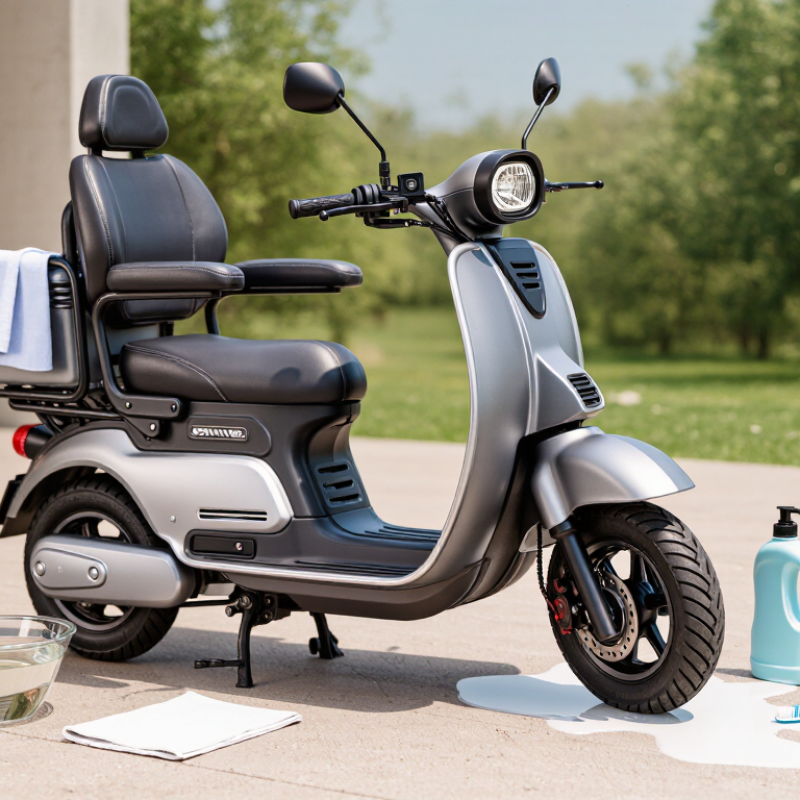
What Is the Best Way to Clean Mobility Scooters?
Preparing the Mobility Scooter for Safe Cleaning
Park the mobility scooter on a firm, level surface before cleaning. Choose a dry, well-lit area with enough space to move safely. Switch off the power, remove the key, and disconnect the charger. Do not clean it while charging. Engage the parking brake, then check that the scooter cannot roll.
Read the user manual before touching the battery or electrical panels. Some batteries can be removed, while others should remain installed. Follow the stated handling instructions carefully. Cover exposed charging sockets with a clean, dry cap or cloth. Keep water away from the control panel, motor, wiring, and battery connections. A damp microfiber cloth is safer than a hose. Never use a pressure washer.
I usually remove loose items, the basket, and floor mat first. This prevents trapped dirt from spreading. I once overlooked mud beneath a mat, and it later held moisture against the footwell. That small mistake changed my routine. Brush away grit with a soft brush, then prepare mild soapy water. Test the solution on a hidden surface. Avoid solvents, abrasive powders, and strong degreasers. They may damage finishes or weaken plastic parts. Keep the cleaning water controlled. A dripping cloth is too wet. After cleaning, dry every surface with a towel and leave the scooter in a ventilated place. Inspect the tyres, brakes, and controls before using it again. If anything feels loose or behaves differently, stop and seek qualified assistance.
Choosing suitable cleaning tools and products makes scooter care safer and more effective. I use two clean microfiber cloths, a soft detailing brush, and a small bucket of warm water. One cloth removes dirt, while the second dries surfaces without leaving lint. A soft toothbrush can reach around switches, hinges, and wheel guards. Avoid abrasive sponges because they may scratch painted panels and clear covers.
Before cleaning, remove the key and disconnect the charger. Check the user manual for warnings about water and electrical parts. Mix a small amount of mild soap with warm water. Apply the solution to the cloth, not directly to the scooter. Wipe the seat, armrests, frame, and tiller gently. For high-touch areas, use a surface disinfectant only when its label confirms compatibility with plastic, vinyl, and rubber. Never soak controls, charging ports, motors, or battery compartments. Keep the hose away.
I once used too much water near a control panel. Nothing failed, but drying took much longer than expected. That mistake changed my routine. I now clean in small sections and inspect seams afterward. A dry brush works well for loose dust beneath the seat. Let every area dry fully before reconnecting power. Strong solvents, bleach, and household degreasers can fade finishes or weaken soft materials. When uncertain, test a product on a hidden spot first. A clean scooter should also remain safe to operate.
What Is the Best Way to Clean Mobility Scooters?
Cleaning a mobility scooter works best from top to bottom, not in a rushed circle. That order keeps dirty water away from controls, the seat, and freshly cleaned wheels. Park on a dry, level surface, switch off the power, and remove the key. Brush loose grit from the tiller, basket, armrests, seat, and footwell. Use a damp microfiber cloth with mild detergent. Never flood the control panel, charging port, motor housing, or battery connections. Small details matter.
The CDC recommends cleaning visibly dirty surfaces before disinfecting them. Apply the solution to the cloth, not directly onto electrical parts. Follow the product’s contact time, even when the surface looks dry. Wipe the seat seams carefully, where crumbs and moisture often hide. The WHO and UNICEF Global Report on Assistive Technology, published in 2022, estimates that more than 2.5 billion people need assistive products worldwide. That scale makes practical maintenance increasingly important.
Finish with the frame, footplates, tires, and underside edges. A soft brush can lift mud from tread grooves without damaging rubber. Dry every surface before reconnecting power. Check for trapped moisture near fasteners and beneath the seat. I would not pretend every cleaning session is perfect; over-wetting a cloth is an easy mistake. If the scooter smells damp, inspect hidden areas rather than adding stronger chemicals. Record unusual corrosion, loose parts, or reduced braking, then arrange qualified servicing.
A top-to-bottom cleaning routine helps prevent dirt from moving onto already-clean surfaces. The chart shows practical time estimates for a routine clean using a damp cloth, mild soap, a soft brush, and a dry towel. Avoid spraying water directly onto the controls, battery area, motor, or electrical connections.
Cleaning a mobility scooter is not just cosmetic care. The WHO-UNICEF Global Report on Assistive Technology (2022) estimates that over 2.5 billion people need assistive products worldwide. Reliable maintenance therefore matters.
Disconnect the charger before cleaning. Remove the key, if fitted. Use a barely damp microfiber cloth on the control panel. Never spray liquid directly onto switches, displays, or joystick housings. Moisture can enter through seams and cause delayed faults. Cotton swabs help around buttons, but avoid pushing debris deeper. A technician should inspect loose wires, cracked insulation, and corroded connectors. Do not improvise with household solvents.
Keep battery terminals dry and clean. For sealed batteries, wipe the casing only. Never open, puncture, or pressure-wash the battery compartment. The IEC 62133-2 safety standard highlights controlled testing for rechargeable battery systems, but cleaning cannot correct damaged cells. Stop using the scooter if the battery smells unusual, becomes hot, swells, or leaks. Arrange qualified inspection instead. Charging immediately after wet cleaning is a mistake I have seen people make. Let every surface dry fully first.
Controls deserve a functional check after cleaning. Test the brake release, speed adjustment, lights, and horn in a clear area. The 2022 WHO-UNICEF report also stresses that assistive products require maintenance and user training, not just purchase. A simple cleaning log can record dates, symptoms, and battery condition. It feels excessive, but it can reveal gradual changes before they become inconvenient or unsafe.
Cleaning a mobility scooter is only half the job. Drying and inspection protect its electrical and mechanical systems. The WHO and UNICEF Global Report on Assistive Technology (2022) estimates that 2.5 billion people need assistive products worldwide. Reliable maintenance therefore supports everyday independence, not just appearance.
After wet use, switch off the scooter, remove the key, and unplug the charger. Wipe the frame with a soft, lint-free cloth. Dry the seat, floorboard, control panel, and charging socket carefully. Never direct a hose or pressure spray at electrical parts. Leave the scooter in a ventilated, sheltered area until every surface feels dry. A fan can help. Heat guns cannot.
Inspect the tires for cuts, embedded stones, and uneven wear. Test the brakes on a dry, level surface. Check steering movement, loose fasteners, cracked plastic, and cable damage. Examine the battery casing for swelling, leaks, or corrosion. Do not open a sealed battery. Ask a qualified technician to assess serious damage. The CDC’s Disability and Health Data System reports that about one in four U.S. adults has a disability, making dependable mobility equipment especially important. Keep a simple maintenance log with dates, symptoms, and repairs. Even careful owners miss moisture beneath the floorboard. A quick wipe is not perfect. Recheck hidden areas before charging or riding.
Use two clean microfiber cloths, a soft detailing brush, and warm water. A soft toothbrush reaches hinges and wheel guards. Avoid abrasive sponges.
Remove the key and disconnect the charger. Check the manual for electrical warnings. Keep the scooter powered off.
Mix a small amount of mild soap with warm water. Apply it to the cloth, not directly onto the scooter. Less water is safer.
Keep controls, charging ports, motors, and battery compartments dry. Never soak them or use a hose nearby. Moisture can enter through small seams.
Use disinfectant only when its label confirms compatibility with plastic, vinyl, and rubber. Apply it to a cloth first. Do not spray switches or displays.
Wipe sealed battery casings with a dry or barely damp cloth. Never open, puncture, or pressure-wash the compartment. Keep terminals dry.
Stop if the battery smells unusual, becomes hot, swells, or leaks. Arrange a qualified inspection. Cleaning cannot repair damaged cells.
Let every surface dry completely before reconnecting power. Test the brakes, speed control, lights, and horn in a clear area. Do not rush this step.
I once used too much water near a control panel. Nothing failed, but drying took much longer. Now I clean small sections and inspect seams.
Record cleaning dates, unusual symptoms, and battery condition. It may reveal gradual changes early. It can feel excessive, but it helps.
What is the best way to clean mobility scooters? Start by preparing the scooter safely: switch it off, remove the key, disconnect the charger, and place it on a stable, dry surface. Use a soft cloth, mild soap, warm water, and a gentle brush to remove dust and dirt without scratching the finish. Clean from the top downward, paying attention to the seat, frame, wheels, and areas where debris collects. Avoid soaking the scooter or using harsh chemicals, high-pressure water, or abrasive tools.
Take extra care around electrical parts, controls, connectors, and batteries. These areas should be wiped carefully with a slightly damp cloth and kept away from excessive moisture. After cleaning, dry every surface thoroughly, especially around joints and electrical connections. Inspect the tires, brakes, cables, and battery compartment for signs of wear or damage, then address any problems before use. Regular, careful cleaning helps preserve the scooter’s appearance, comfort, safety, and reliable performance.

ROA Medicare